Webster Groves vs Kirkwood Homes: Compare Your Options
May 21, 2026
May 21, 2026
Wondering whether Webster Groves or Kirkwood is the better fit for your next move? It is a common question for buyers who want character, convenience, and a home that matches how they actually live. The good news is that both communities offer strong appeal, but they do it in different ways. If you are weighing historic charm against a wider mix of newer-feeling home styles, this guide will help you compare the two with more confidence. Let’s dive in.
Both Webster Groves and Kirkwood have deep roots tied to the railroad era, and both are known for established neighborhoods and walkable commercial areas. Webster Groves officially merged five railroad-era communities in 1896, while Kirkwood was founded in 1853 as a planned commuter suburb west of the Mississippi.
That shared history gives both places a classic St. Louis feel. At the same time, the cities differ in how their housing stock and business districts are arranged, which can shape your day-to-day experience as a buyer or seller.
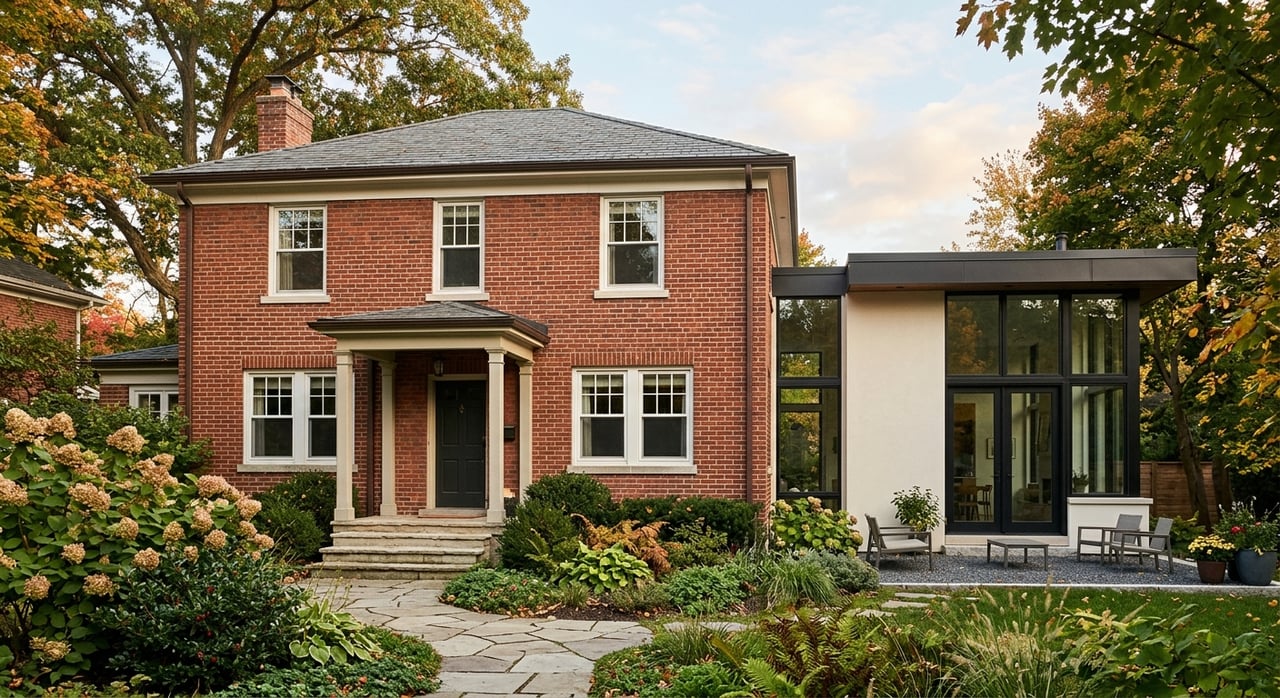
If you are drawn to neighborhoods that feel cohesive and distinctly historic, Webster Groves may stand out. The city describes itself as tree-lined, with an abundance of single-family homes, walkable neighborhoods, and historic business districts.
Webster Groves has four city historic districts and an active preservation commission. Its local guidance places clear value on original materials, neighborhood scale, and the architectural details that give older homes their character.
In Webster Groves, the historic look tends to read as more uniform from block to block. City preservation guidance for Webster Park highlights features like rooflines, dormers, windows, porches, built-in gutters, masonry, and woodwork, and notes that new construction should fit areas where most homes are two stories and surrounded by tall trees.
For you as a buyer, that often translates to a strong sense of continuity. If your goal is an established setting with older-house charm and a consistent visual rhythm, Webster Groves often aligns with that preference.
Older homes can be rewarding, but they can also come with more process. Webster Groves states that many homes were built before modern building codes, so interior renovation permits may trigger upgrades to current minimum standards.
In historic districts, exterior changes can involve additional review. The Architectural Review Board reviews new construction and exterior renovation work affecting the main building, fences, and signs before final approval by the Building Commissioner.
If you want more architectural range, Kirkwood may offer more options. The city’s preservation and design materials span 19th-century styles, early-20th-century homes, and later post-war and modern forms.
That broader mix is one of the clearest differences between the two communities. Kirkwood includes not only older styles like Italianate, Romanesque, bungalow, and prairie, but also ranch, split-level, and mid-century modern homes.
Kirkwood’s local historic districts include later-era areas such as Barrett Brae, Craig Woods, Savoy, and Sugar Creek Ranch. These are identified by the city as mid-century modern or early post-war districts.
That means you are more likely to see a visible blend of eras as you move through Kirkwood. If you want the possibility of an attached garage, a lower-slung layout, or an open floor plan tied to mid-century design, Kirkwood may give you more opportunities to find it.
Kirkwood describes mid-century modern homes as low to the ground, with open floor plans, indoor-outdoor connections, patios, and attached garages. The city also notes that these homes can adapt well to varying terrain.
For buyers who want character without focusing only on prewar architecture, that can be a meaningful advantage. You may still get an established setting, but with a wider selection of layouts and home forms.
The feel of local shopping and dining can also affect your decision. Webster Groves and Kirkwood both offer walkable business areas, but they are organized differently.
Webster Groves points buyers toward Old Webster, Old Orchard, and Crossroads. These function more like smaller neighborhood commercial nodes than one central downtown.
Webster’s commercial areas tend to support a neighborhood-scale routine. You may find that this setup feels more dispersed and woven into the surrounding residential fabric.
The city also uses façade grants in Crossroads and Old Orchard to support storefront appearance and streetscape improvements. That helps reinforce the polished but still local, small-scale feel of these districts.
Kirkwood offers a more concentrated downtown core. Downtown Kirkwood is listed on the National Register of Historic Places and includes many restaurants, shops, and the farmers market.
The historic train station remains a central landmark and still serves Amtrak riders. If you picture your routine revolving around one more defined town center, Kirkwood may feel like the stronger match.
In both cities, historic-district ownership can mean exterior changes are more process-driven than in newer suburbs. That is not necessarily a drawback, but it is important to understand before you buy.
Webster Groves is especially direct about renovation expectations because many homes predate current codes. In Kirkwood, the broader mix of home eras means review expectations can vary more from one area to another.
Before you make an offer in either community, it helps to ask practical questions like:
These questions can help you avoid surprises and budget more realistically.
Recent market data suggests the two cities are close in value, with Kirkwood trending somewhat higher and moving a bit faster. Because the data sources use different methods, the numbers are best used as directional context rather than exact one-to-one comparisons.
Here is a simple side-by-side look at the March 2026 figures cited in the research:
| Market metric | Webster Groves | Kirkwood |
|---|---|---|
| Zillow average home value | $438,955 | $462,235 |
| Homes for sale | 38 | 61 |
| Redfin median sale price | $424,000 | $435,000 |
| Median days on market | 31 | 18 |
For you as a buyer, that may mean slightly more selection in Kirkwood at the time of the snapshot, along with faster market pace. For you as a seller, it suggests the importance of pricing and presentation in both communities, especially when buyers are comparing two strong nearby markets.
The right choice usually comes down to the kind of home and daily rhythm you want. Neither community is universally better. They simply serve different preferences.
If you are selling in Webster Groves, buyers may respond strongly to preserved character, original details, and how well your home fits the surrounding streetscape. Clear preparation matters, especially when your home’s appeal is tied to craftsmanship and continuity.
If you are selling in Kirkwood, your strategy may depend more on what segment of the market your home fits. A bungalow, a classic two-story, and a mid-century ranch may each attract different buyers, so strong positioning and presentation become especially important.
This is where neighborhood-level expertise can make a real difference. When your agent understands what buyers expect in Webster Groves versus Kirkwood, your pricing, marketing, and showing strategy can better reflect how people actually compare homes in these two communities.
If you are deciding between Webster Groves and Kirkwood, or preparing to sell in either market, Susan Hurley Homes can help you evaluate the tradeoffs, build a smart strategy, and move forward with confidence.
Stay up to date on the latest real estate trends.
We’re more than a team of real estate professionals — we’re your partners in every step of the journey. Whether buying, selling, or relocating in St. Louis, our expertise, market insight, and dedication ensure a seamless experience and outstanding results.