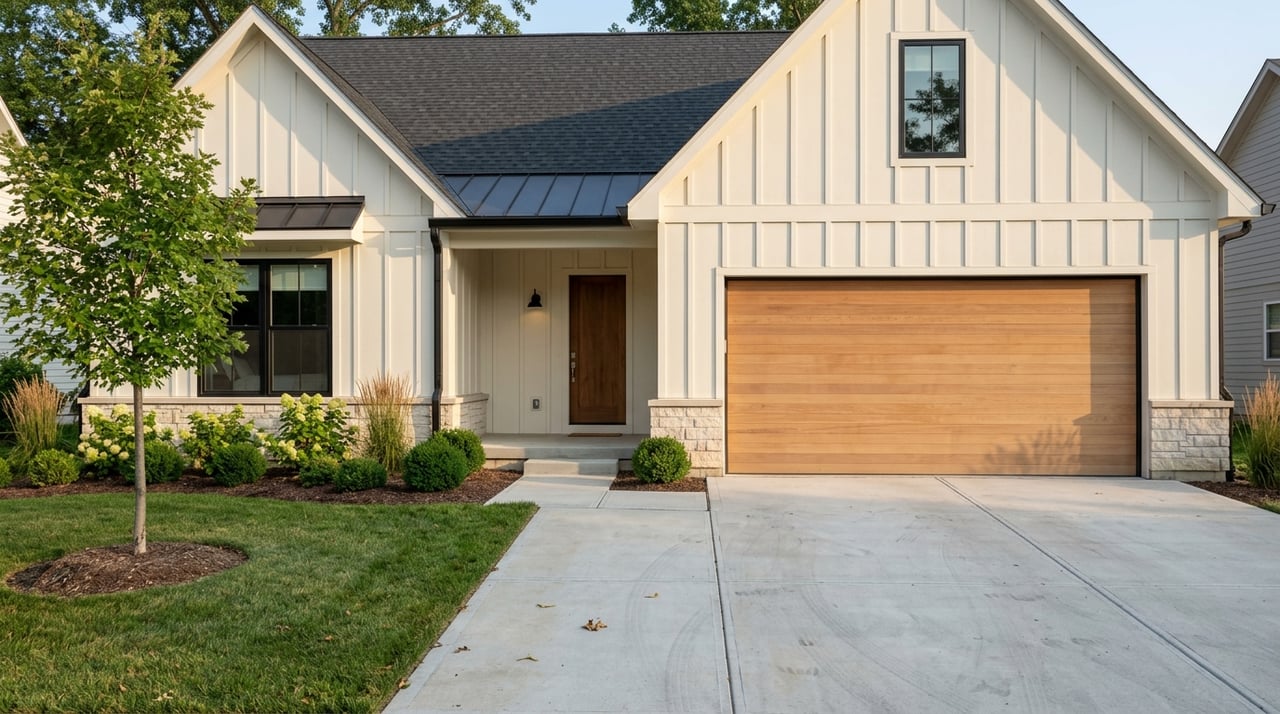
Buying Newer Construction In St. Louis County Suburbs
July 2, 2026
July 2, 2026
Are you wondering whether a newer home in St. Louis County is worth the premium? That is a smart question, especially in a county where most homes were built decades ago and newer construction stands out as a different kind of option. If you are comparing a fresh floor plan, builder warranties, and lower near-term maintenance against the character and variety of older neighborhoods, this guide will help you weigh the tradeoffs with more confidence. Let’s dive in.
Newer construction is a distinct slice of the St. Louis County market, not the default. The county’s 2024 ACS profile shows 447,542 housing units, with about 70% owner-occupied and 76% made up of single-unit structures. The median value of owner-occupied homes is $300,800, which gives you a useful baseline as you compare new builds with existing homes.
Age is one of the biggest reasons newer homes feel different here. A Missouri county housing-age report shows 73.6% of St. Louis County housing was built before 1980, and 10.3% was built before 1950. In practical terms, that means most buyers are choosing between a large supply of older homes and a smaller set of newer communities or build opportunities.
If you picture newer construction as one standard suburban house, St. Louis County tells a broader story. Local builder examples show ranch, two-story, story-and-a-half, and multi-level options, with home sizes ranging from under 1,800 square feet to more than 5,000 square feet. That gives you more flexibility to match the home to your daily routine, future plans, and budget.
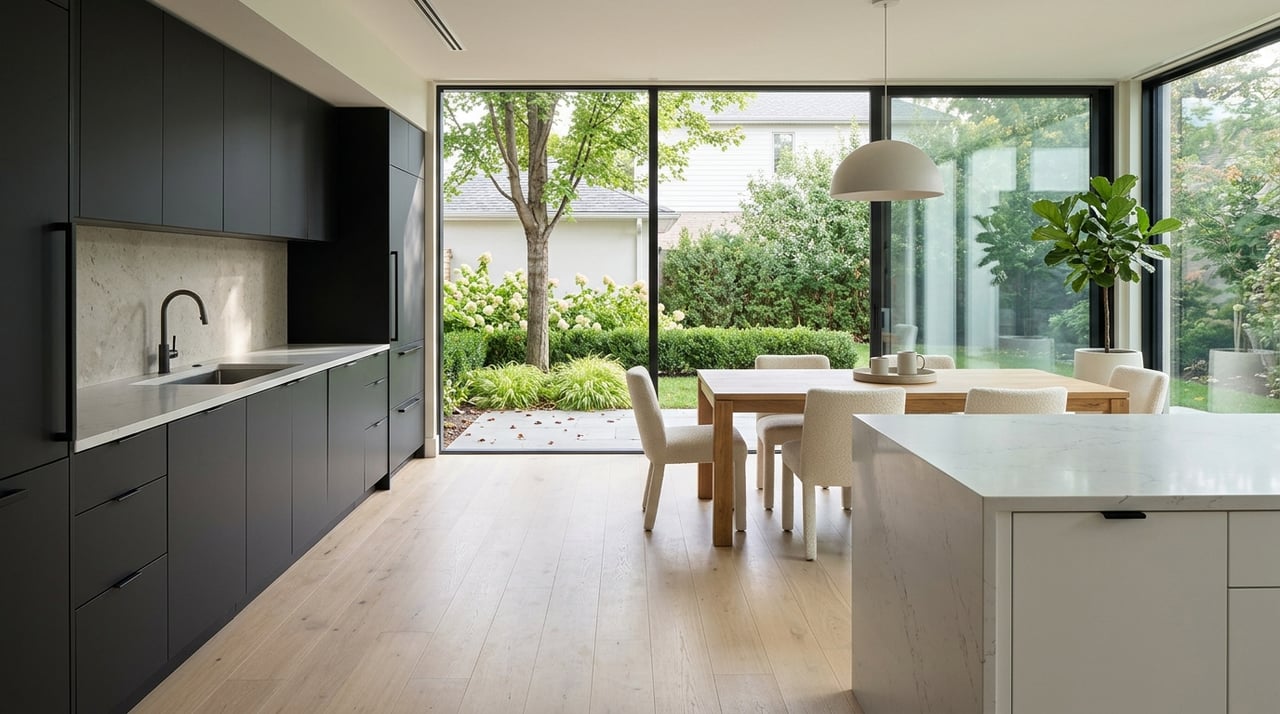
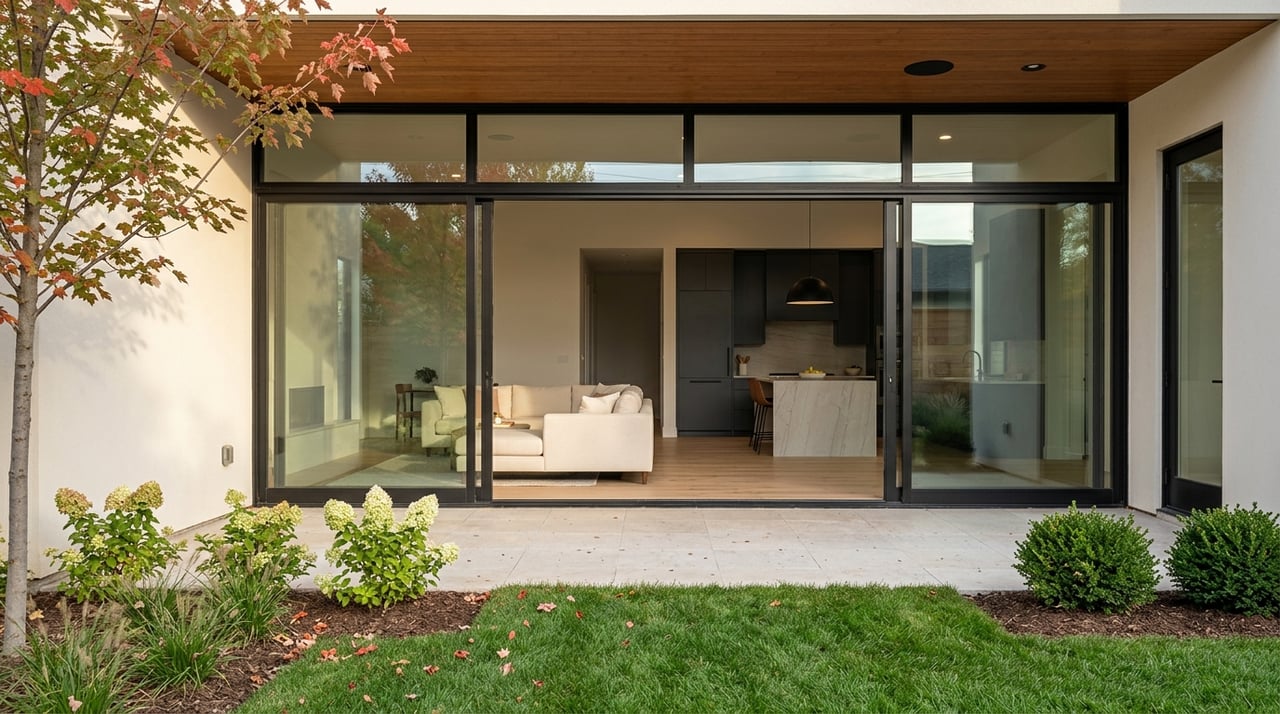
Many newer homes also lean into layouts that today’s buyers often want. Market examples in the county commonly feature open-concept living areas, primary suites, guest spaces, lofts, and opportunities for personalization during the build process. Some communities also include walking trails, common ground, or planned park space.
One of the biggest advantages of newer construction is choice. In St. Louis County, available plans can include ranch homes for one-level living, two-story homes for more separation of space, and larger plans with guest suites or bonus areas. That matters if you are upsizing, downsizing, relocating, or simply trying to avoid a layout that does not fit how you live.
This variety also means newer construction is not limited to one type of buyer. Some communities aim at more entry-level suburban budgets, while others clearly target luxury move-up buyers. Your goal is not just to find a new house, but to find the right plan in the right setting.
Lot size is another area where expectations matter. Current market examples in St. Louis County range from smaller build-ready lots around 0.22 acre to homesites above 1 acre in places like Town and Country. That is a wide spread, so it helps to look at each community on its own rather than assume all new construction comes with the same yard size.
In some subdivisions, you may trade a larger private lot for newer infrastructure, shared open space, or planned amenities. In other areas, especially higher-end submarkets, you may still find larger homesites paired with newer homes. This is one reason local guidance can make your search more efficient.
One of the most important things to know is that newer construction pricing in St. Louis County varies sharply by location and product type. Research examples show some Florissant communities priced from the $250s to the $400s, while newer homes in Chesterfield can start in the $710s. Other regional plan catalogs include homes starting around $669,000 and higher.
That range tells you two things. First, newer construction is available at more than one price point. Second, the suburb you choose may shape your budget just as much as the home itself.
If you are shopping at the lower end of the new-construction spectrum, you may focus on efficient plans, smaller lots, and more standardized selections. If you are shopping in the upper tier, you may see larger homesites, three-car garages, side-entry garages, and more expansive plan options. Neither path is automatically better. It just depends on what matters most to you.
A strong buying strategy starts with your priorities. You may decide that lower maintenance and a modern layout matter more than an oversized lot, or you may want a newer home without giving up space or privacy. Defining those tradeoffs early can save time and stress.
For many buyers, warranty coverage is one of the biggest reasons to consider newer construction. Local builder examples in the research report show common patterns such as one-year workmanship coverage, two-year coverage for distribution systems, and ten-year structural protection. Some builders also schedule early and near-end-of-year walkthroughs to identify items that need attention.
That does not mean every warranty is the same. Coverage periods, exclusions, and service-request deadlines can differ from one builder to another. Before you move forward, review the written warranty booklet with the same care you would give the purchase terms.
Warranty timelines matter more than many buyers realize. If a builder uses scheduled review windows, such as early post-closing check-ins and an 11-month walkthrough, you need to understand when and how to report concerns. Missing a service deadline can make a small issue harder to resolve.
It also helps to understand what is and is not covered. Cosmetic fixes, mechanical systems, structural issues, and homeowner maintenance items may all be treated differently. A careful review now can prevent surprises later.
A new home is not the same as a flawless home. According to ASHI, phased new-construction inspections can include checks at the foundation stage, at framing after rough mechanical, electrical, and plumbing work, and again at the final stage before closing. ASHI also notes that new homes can still have issues involving grading, drainage, HVAC, windows, electrical, plumbing, and more.
That is why an independent inspection is still worth serious consideration. Even if the home is brand new, a third-party view can help you catch concerns before they become your responsibility. It can also give you a clearer list for your final walkthrough and builder discussions.
If you are building from the ground up, a phased inspection approach may give you the most complete picture. Looking at the home before insulation and drywall go in can help identify issues that are harder to see later. A final inspection before closing adds one more layer of protection.
If you are buying a completed new home, a final independent inspection is still valuable. You want confidence not just in the finishes you can see, but in how the home came together overall.
In St. Louis County, due diligence includes more than the home itself. County code enforcement applies in unincorporated areas and in municipalities that contract with the county, and permit procedures can involve building, mechanical, electrical, plumbing, drainage, and land-disturbance work. The county’s single-family occupancy permit form also states that a home may not be occupied until the occupancy permit is issued.
For you, that means permit and occupancy status should be part of the checklist before closing. If you are buying in a newer subdivision or in an unincorporated area, it is especially important to confirm that the required approvals are complete. Small paperwork details can affect move-in timing.
When you buy in a planned subdivision, the purchase price is not always the only cost to track. St. Louis County’s subdivision guidebook explains that common ground may include open space, stormwater facilities, retention lakes, parks, and recreation areas. It also notes that annual or special assessments are usually used for upkeep under recorded trust indentures.
This is not necessarily a negative. Shared spaces can add appeal and structure to a community. You just want to understand what you are responsible for before you buy.
A simple question can go a long way here: what exactly do the assessments maintain? In some communities, they may support landscape areas, stormwater systems, or other shared property. Knowing that upfront helps you compare one neighborhood with another more accurately.
You should also ask for the governing documents early in the process. That gives you time to review ownership obligations and avoid last-minute surprises.
In St. Louis County, this is often the real decision. Since older housing dominates the county, you may be choosing between a newer home with modern design and warranty coverage or an older home in a more established neighborhood with broader inventory. The right answer depends on your priorities.
Newer homes often appeal to buyers who want less immediate repair risk, updated layouts, and a more predictable move-in experience. Older homes may offer more choices in location, lot setting, and home style simply because there are so many more of them. That larger inventory can create opportunities, but it can also come with more maintenance questions.
The comparison is not only about appearance or floor plans. St. Louis County’s Healthy Homes guidance says homes built before 1978 are more likely to have lead-based paint hazards. That is one reason some buyers feel more comfortable with newer construction, especially if they want to reduce the chance of near-term repairs or environmental concerns tied to older materials.
This does not mean older homes are a poor choice. It means they require a different lens. You may need to budget more carefully for maintenance, updates, and inspections as part of your decision.
A smart newer-construction search starts with a clear plan. You want to compare the home, the lot, the community structure, and the builder process all at once. Looking at only the base price can leave out some of the most important details.
A buyer-focused checklist can help you stay grounded:
When you approach the process this way, you are more likely to make a confident decision instead of a rushed one. That is especially helpful in a market where newer construction can look very different from one suburb to the next.
If you are thinking about buying newer construction in St. Louis County, having an experienced local advisor can help you compare communities, understand the tradeoffs, and negotiate from a more informed position. For personalized guidance on suburban new construction and the broader St. Louis market, connect with Susan Hurley Homes.
Stay up to date on the latest real estate trends.
We’re more than a team of real estate professionals — we’re your partners in every step of the journey. Whether buying, selling, or relocating in St. Louis, our expertise, market insight, and dedication ensure a seamless experience and outstanding results.