Should you spend on fresh paint or bring in a stager before you list in Webster Groves? When you are selling a historic or character home, it can be tough to know which prep will actually move the needle. You want top dollar without over-investing or losing time. In this guide, you will learn how staging and light updates work, what typically pays off in Webster Groves, and a simple plan to decide where to put your dollars. Let’s dive in.
Webster Groves buyer mindset
Webster Groves is known for older homes with charm, tree-lined streets, and walkable neighborhoods. Many buyers here value character and also want move-in readiness. They often compare similar homes across nearby suburbs in the same price band.
That mix means small, high-impact improvements can help you stand out. Projects that preserve original features while improving cleanliness, light, and day-to-day function tend to perform well. Your goal is to reduce perceived work and make your photos pop.
Staging vs updates: quick definitions
- Light updates: Cosmetic improvements such as fresh neutral paint, updated light fixtures, new cabinet hardware, small repairs, and curb-appeal landscaping. These reduce buyer uncertainty, make rooms feel brighter, and improve your online photos.
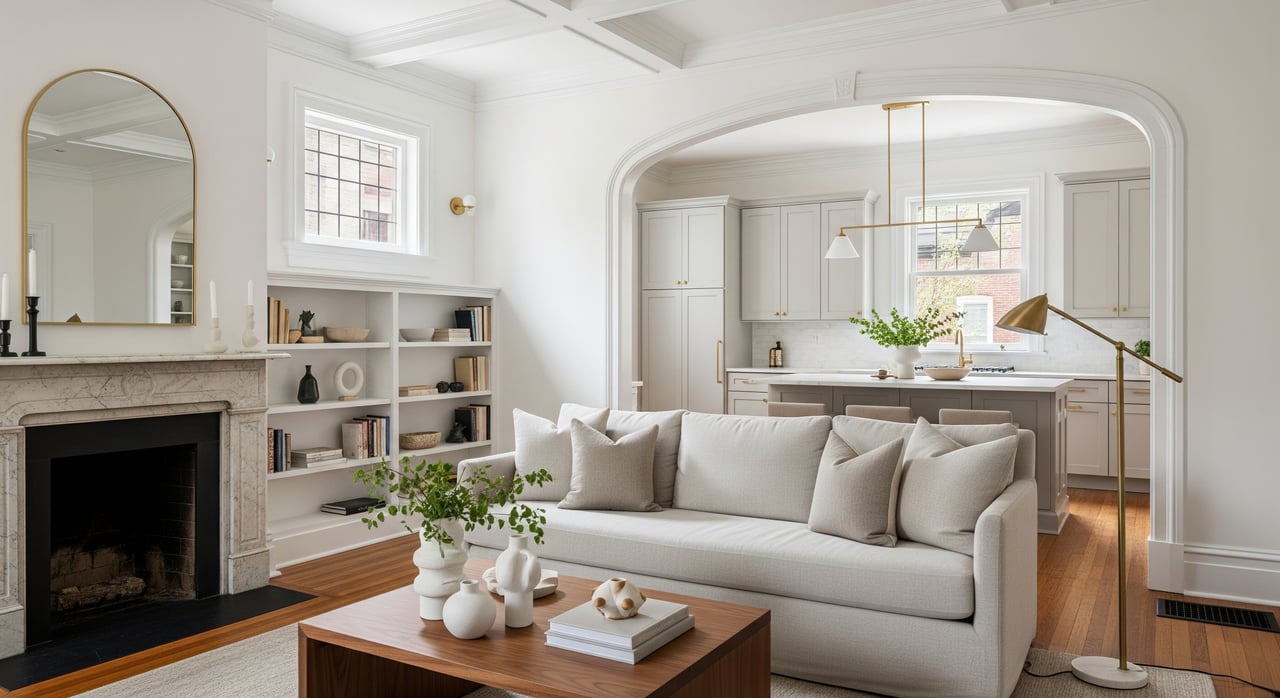
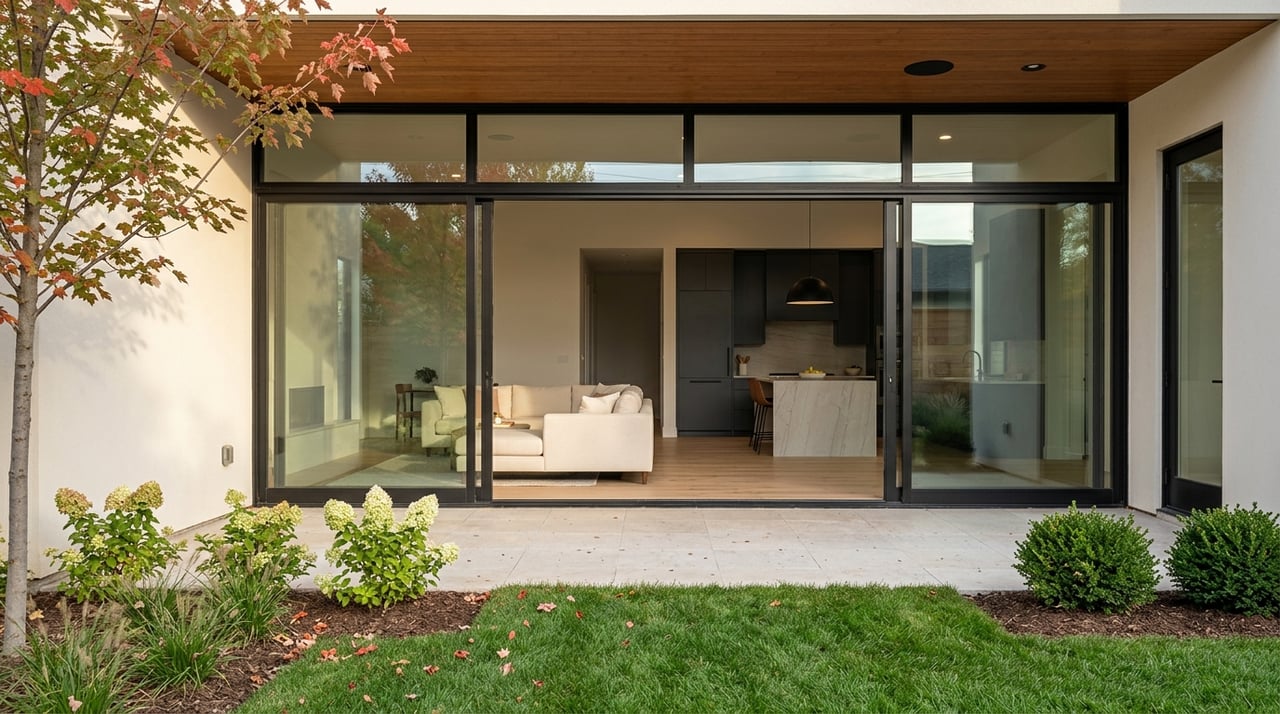
- Professional staging: Bringing in furniture, art, rugs, and accessories or rearranging what you own to show function and flow. Staging can be full or partial. Virtual staging is a photo-only option for vacant rooms.
Both strategies work together. Updates create a clean, neutral backdrop. Staging adds the emotional appeal that helps buyers picture daily life and understand how rooms work.
What usually pays first here
Below is a prioritized plan based on cost-effectiveness and what resonates with Webster Groves buyers.
Priority 1 - Clean, declutter, repair
- Action: Deep clean, remove personal items, fix peeling paint, repair loose trim, replace missing outlet and switch covers, address leaky faucets.
- Why it pays: Low cost and essential for all other prep. Fewer distractions help buyers focus on the home.
- Time and cost: Mostly sweat equity or a few hundred dollars for housekeeping and a handyman visit.
Priority 2 - Neutral interior paint and trim touch-up
- Action: Repaint worn or bold-colored rooms in light, neutral tones. Touch up trim and baseboards.
- Why it pays: Fresh paint brightens rooms and makes vintage homes read as well cared for without erasing period character.
- Time and cost: A few hundred to low thousands per room, a few thousand for a typical home. Often 2 to 7 days.
Priority 3 - Lighting and fixtures
- Action: Replace dated ceiling fixtures, add bright consistent bulbs, update faucets and cabinet hardware.
- Why it pays: Good lighting photographs well and modern fixtures signal updated condition.
- Time and cost: About 100 to 800 dollars per fixture including installation. One to seven days depending on scope.
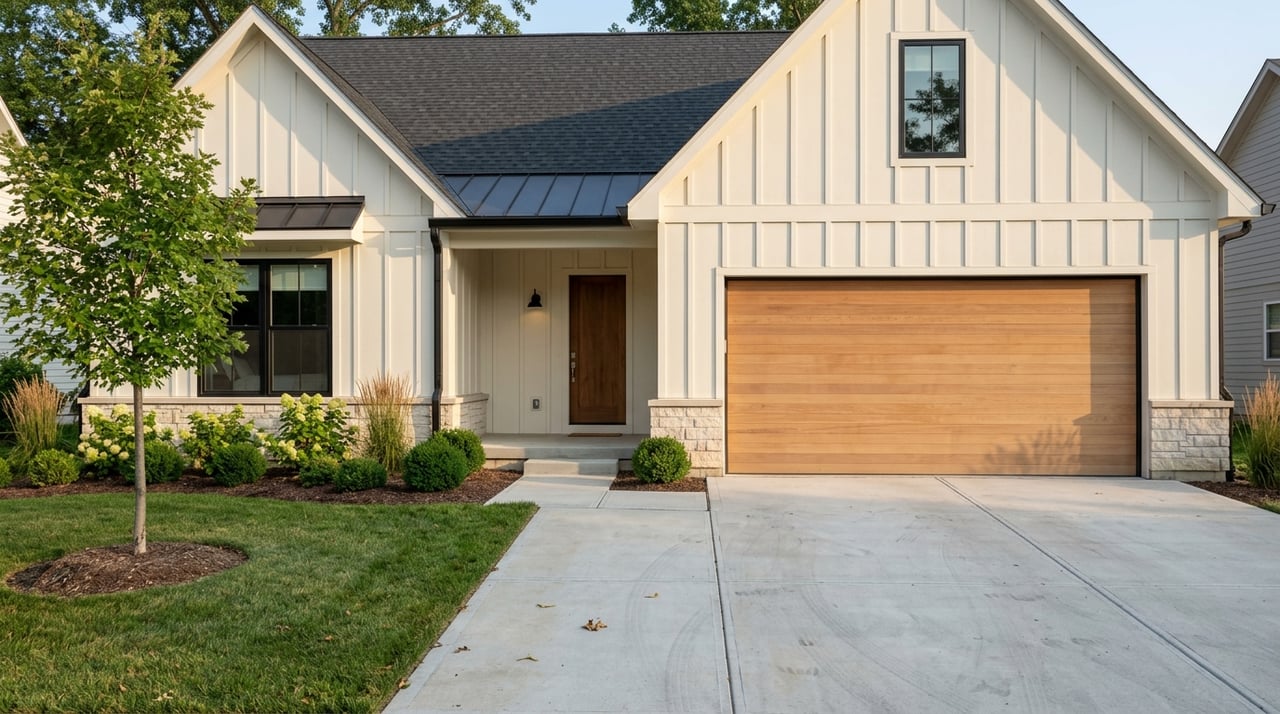
Priority 4 - Curb appeal and front entry
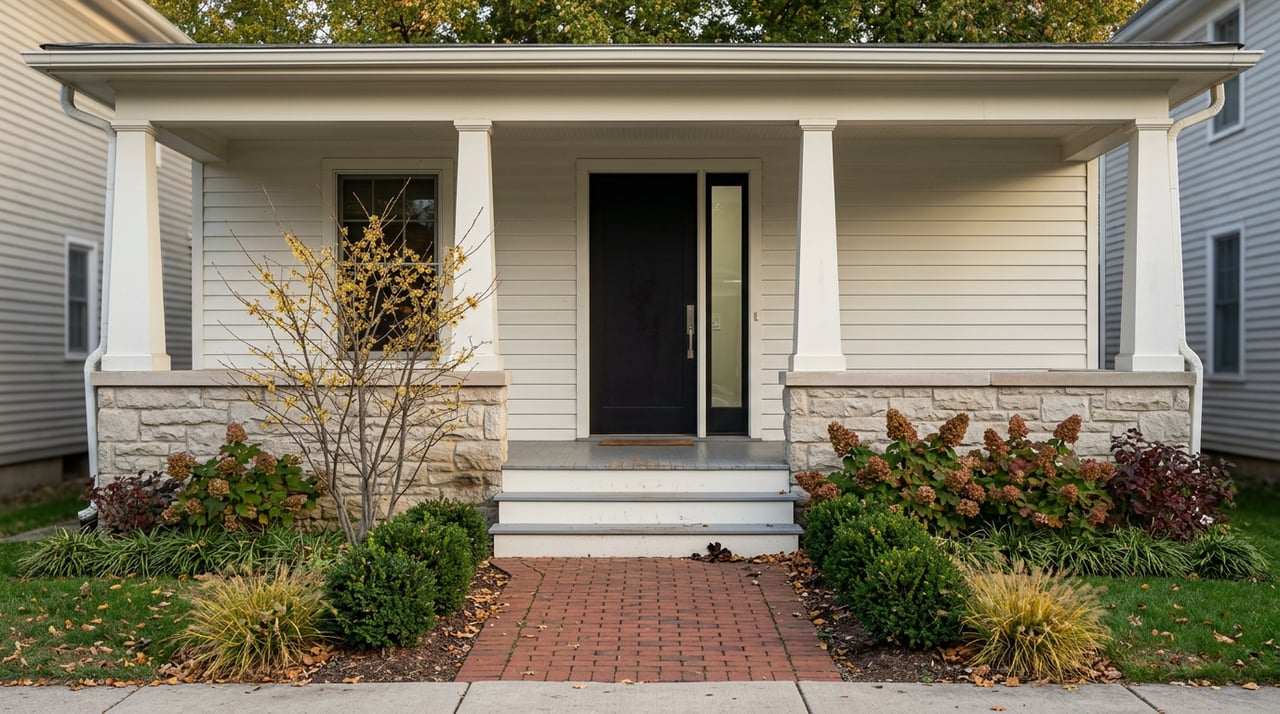
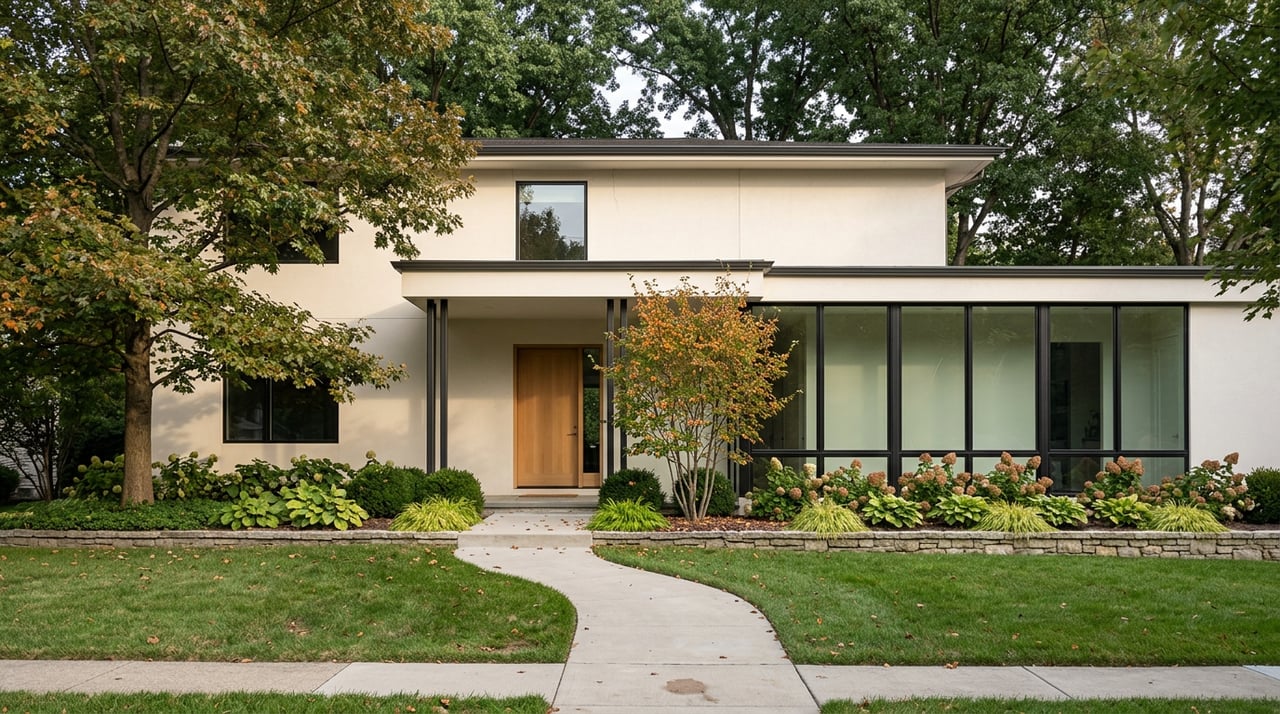
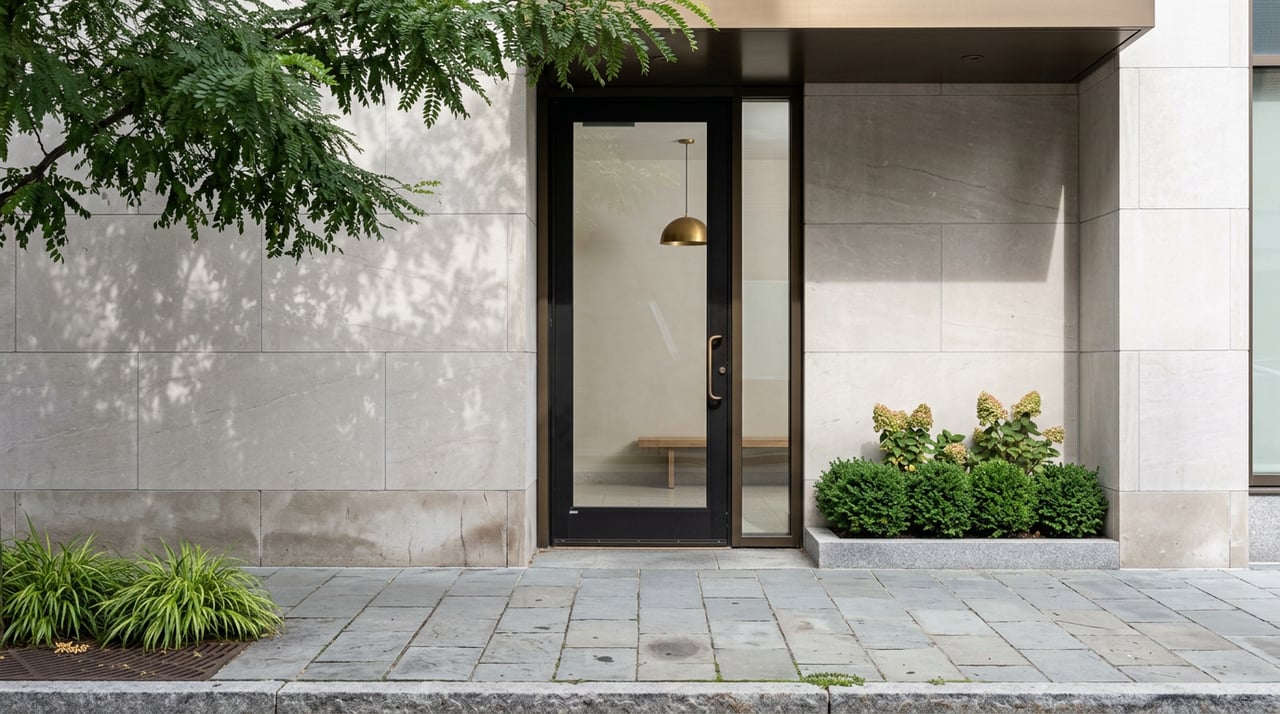
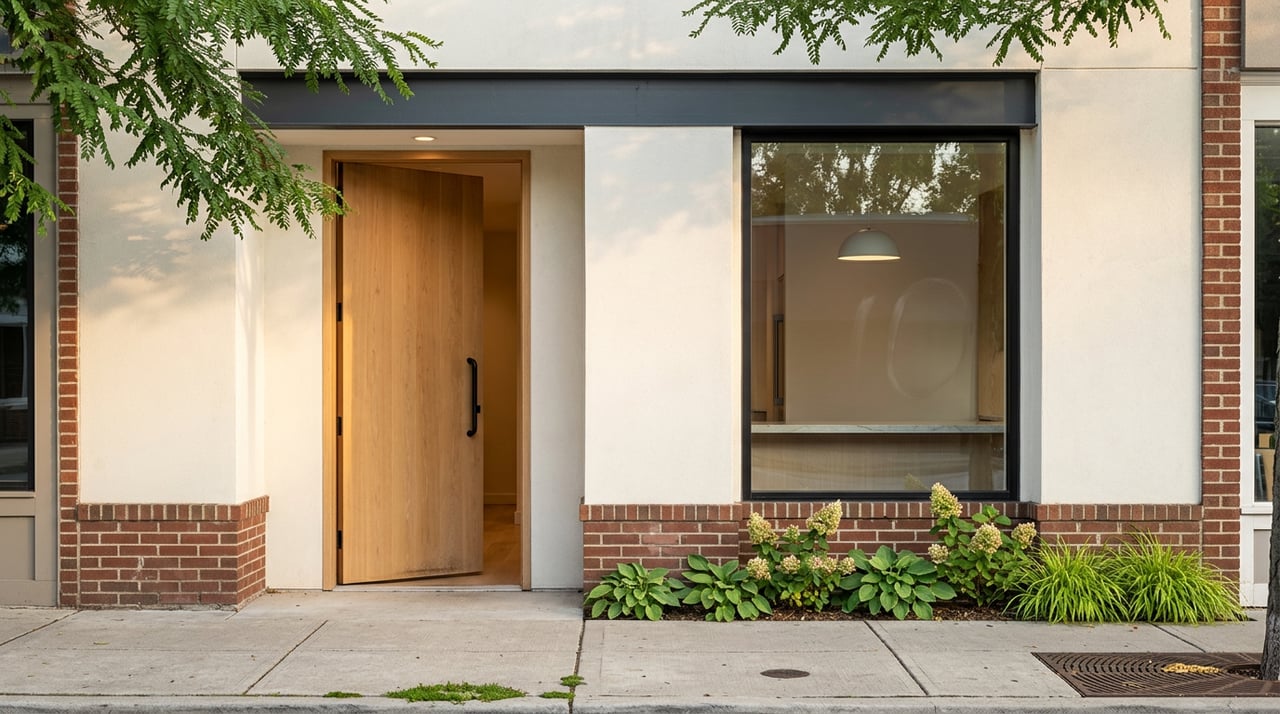
- Action: Mow and edge, trim shrubs and trees, add fresh mulch, paint or polish the front door and hardware, add planters, and ensure clear house numbers.
- Why it pays: First impressions matter. Many buyers walk neighborhoods before showings.
- Time and cost: A few hundred dollars for a simple refresh to several thousand for more extensive work. One to seven days.
Priority 5 - Stage key rooms
- Action: Professionally stage or stylist-rearrange the living room, kitchen, and primary bedroom. Consider virtual staging for vacant rooms if the budget is tight.
- Why it pays: Helps buyers visualize flow and function, especially in older floor plans. Vacant homes see an outsized boost.
- Time and cost: Partial staging ranges from a few hundred to a few thousand for setup plus monthly rental. Installation typically happens in one day after coordination.
Priority 6 - Targeted functional updates
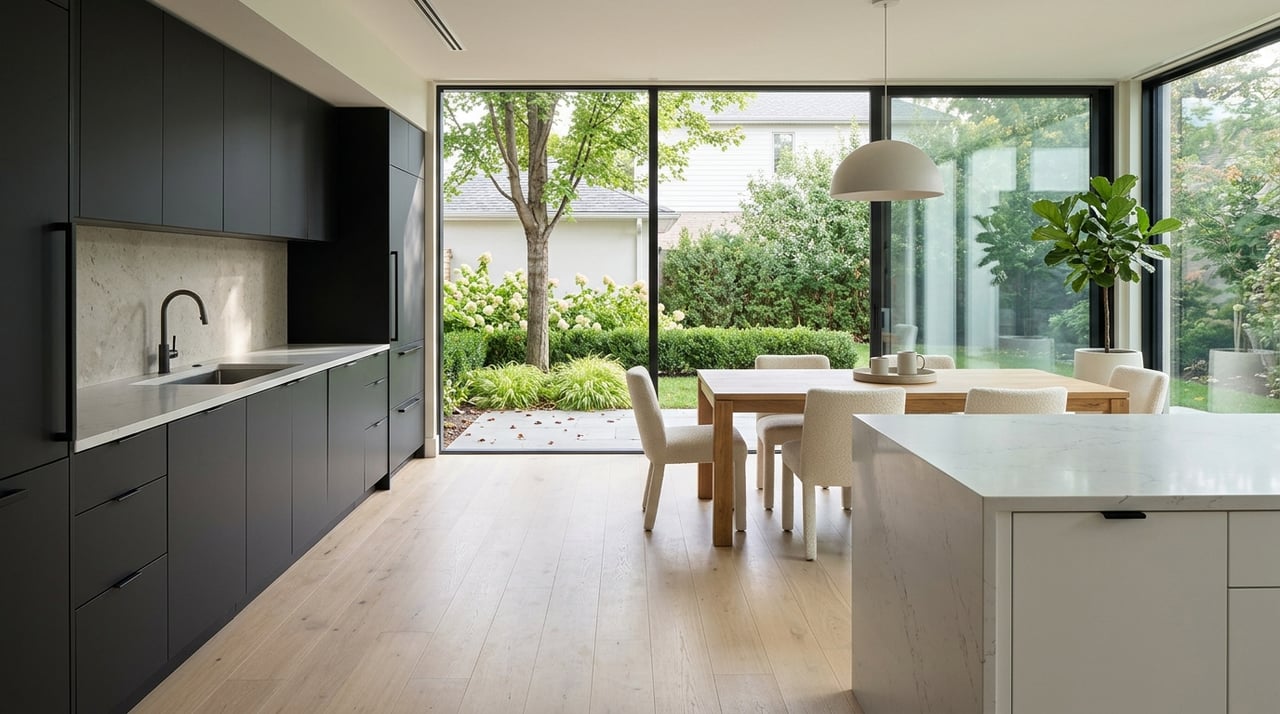
- Action: If your price target competes with updated comps, consider a small kitchen refresh such as painting cabinets, new hardware, a modest countertop or backsplash, or a bathroom refresh like re-grouting and a new vanity light. Replace especially worn entry flooring if needed.
- Why it pays: If buyers expect these finishes at your price point, addressing them can support top-of-band pricing.
- Time and cost: Varies widely. Get specific quotes and compare to local comps before moving forward.
When staging beats updates
Choose staging first when:
- You need a quick sale and the home is generally sound. Staging creates a fast, visible upgrade with less risk than renovations.
- The home is vacant. Full or partial staging helps justify list price and clarifies room scale.
- Your budget is limited. Pair staging with paint and lighting for strong photo impact without big renovation costs.
When updates beat staging
Prioritize targeted updates when:
- Comparable homes in Webster Groves at your price point show refreshed kitchens or baths. Matching basic expectations can be key to achieving your goal price.
- You plan to list near the top of your local price band. Removing functional objections, even with modest updates, can materially influence offers.
- You have the time and budget for selective improvements. Coordinate with staging after updates to maximize appeal.
Vacant vs lived-in: best approach
- Vacant home: Full or partial staging is strongly recommended. It clarifies room size and use, adds warmth to photos, and helps buyers connect.
- Lived-in home in good condition: Declutter, paint touch-ups, simple lighting and hardware swaps, curb appeal, then partial staging of key rooms.
- Lived-in home competing with updated comps: Tackle modest kitchen or bath refreshes that align with neighborhood expectations, then stage.
Room-by-room tips for Webster Groves homes
- Showcase original features. Highlight fireplaces, built-ins, millwork, and stained glass with neutral walls and simple styling.
- Right-size the furniture. Older homes often have cozier rooms. Scale-appropriate pieces prevent spaces from feeling cramped.
- Style for warmth and function. Classic, comfortable styling tends to resonate more than ultra-minimal looks.
- Use consistent light color. Warm white bulbs with the same color temperature create a cohesive feel in photos.
- Be transparent with virtual staging. Clearly label virtually staged photos and provide an empty-room image to maintain trust.
Budget and timeline: what to expect
- Paint: A few hundred to low thousands per room, whole-home in the low thousands. Allow 2 to 7 days for a mid-sized home.
- Fixtures and hardware: Around 100 to 800 dollars per fixture including installation. One to several days depending on scope.
- Curb appeal: A few hundred dollars to several thousand for a larger refresh. One to seven days.
- Professional staging: Partial staging a few hundred to a few thousand for setup plus monthly rental. Install generally in one day once scheduled. Virtual staging is a few hundred per photo and affects photos only.
These ranges are general. Get local quotes from stagers, painters, landscapers, and handypeople to fine-tune your plan.
A simple 4-step decision plan
- Study recent local comps: Review three to five recent Webster Groves sales similar in age, style, and bedroom count. Note which had refreshed kitchens or baths, what they listed for, and how quickly they sold.
- Walk your home with fresh eyes: Make a punch list of repairs, paint needs, dated fixtures, and curb-appeal opportunities. Prioritize the items buyers will see in the first 10 photos.
- Get two sets of estimates: One for light updates such as paint, fixtures, and curb appeal. One for staging key rooms or the whole home. Compare costs to comps and your timeline.
- Choose your mix: Tight timeline or limited budget favors cosmetic upgrades plus staging. Competing with renovated comps may warrant targeted updates, then staging.
How to measure success
Track the early signals that indicate you made the right prep choices:
- Days on market compared to similar local listings
- Showing requests and open house traffic in the first one to two weeks
- Number of offers and sale price relative to list and nearby solds
- Feedback from buyers and agents about condition, layout, and presentation
Use these metrics to adjust pricing, marketing, or presentation if needed.
Common pitfalls to avoid
- Over-improving for the neighborhood. Large remodels may not pay back if nearby comps are lower. Validate with local data before major spend.
- Skipping repairs. Staging does not hide issues that will surface during inspections or affect financing.
- Ignoring historic character. Some replacements, like original windows, can reduce appeal for many Webster Groves buyers.
- Virtual staging mismatches. Photo-only enhancements can drive clicks but must be clearly disclosed to avoid disappointment at showings.
How Susan Hurley Homes can help
You do not need to navigate this alone. Our team brings neighborhood-level guidance, color and decor consultation, contractor coordination, and premium photography to position your home for maximum impact. With Compass Concierge, many clients can fund approved pre-sale improvements and repay at closing. We tailor a prep plan to your timeline, budget, and target price point, then manage the details so you can focus on your move.
Ready to sell in Webster Groves with confidence? Connect with the local team that treats preparation like a strategy, not a checklist. Reach out to Susan Hurley Homes to get your complimentary consultation.
FAQs
Should I stage a vacant home in Webster Groves?
- Yes, staging typically provides a strong lift for vacant homes by clarifying room scale and function and improving online photos, which can help justify list price.
What light updates bring the fastest ROI locally?
- Neutral interior paint, updated lighting and hardware, and curb-appeal cleanups usually deliver high perceived value for modest cost and quick timelines.
How much does professional staging cost in this area?
- Partial staging for key rooms often ranges from a few hundred to a few thousand dollars for setup plus monthly rental, with installation commonly done in one day once scheduled.
Is virtual staging worth it for Webster Groves listings?
- It can boost online interest for vacant rooms at a lower cost, but it affects photos only, so disclose it clearly and include an empty-room image to maintain trust.
Do I need to remodel my kitchen to sell well here?
- Not always, but if comparable homes at your target price show refreshed kitchens or baths, targeted updates may be important before listing to meet buyer expectations.
How can Susan Hurley Homes help me prepare?
- We provide a tailored prep plan, decor and color guidance, contractor and stager coordination, premium photography, and access to Compass Concierge for eligible pre-sale improvements.