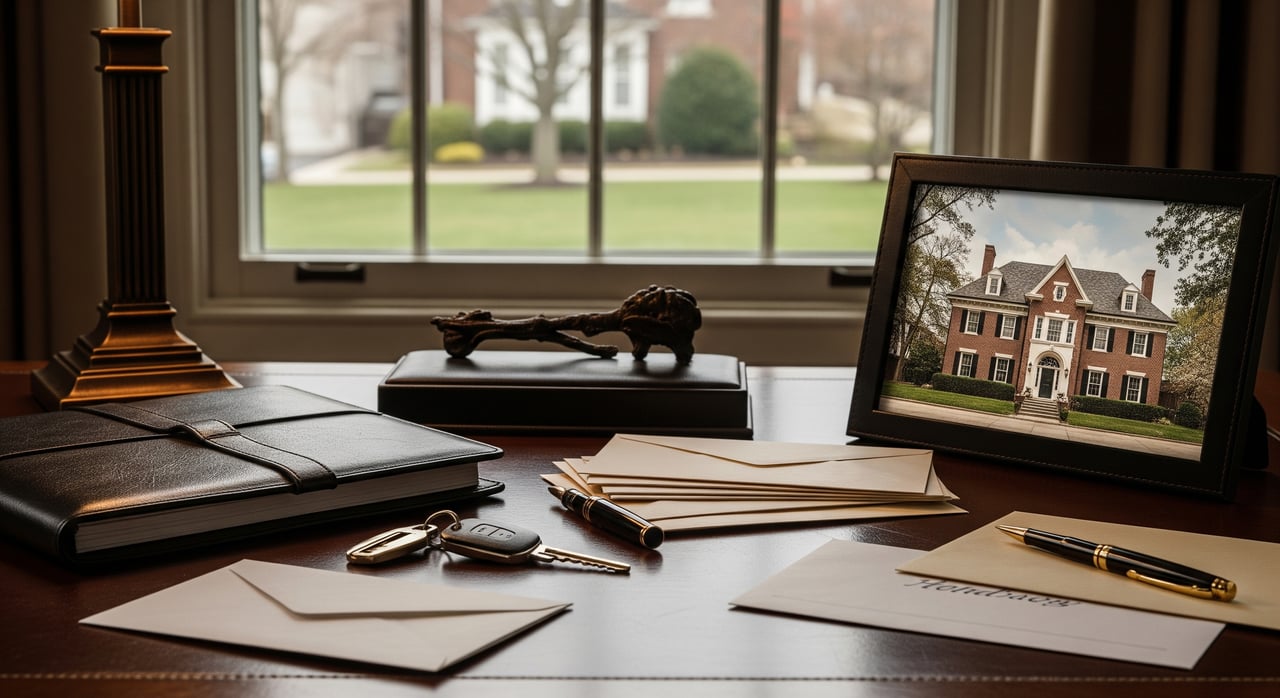
Earnest Money in St. Louis County: Buyer’s Guide
December 4, 2025
December 4, 2025
Are you about to write your first earnest money check and wondering what is normal in St. Louis County? You are not alone. That deposit can feel like a big leap, especially when every dollar matters. In this guide, you will learn what earnest money is, how much to expect locally, when it is due, who holds it, and the steps to keep your funds protected from contract to closing. Let’s dive in.
Earnest money is your good‑faith deposit that accompanies a home purchase offer. It shows the seller you are serious, encourages them to take the home off the market, and becomes part of your funds at closing. The amount and handling are spelled out in your purchase contract.
There is no single statewide “earnest money law” that sets one rule for everyone. The purchase contract and any escrow agreement control who holds the money, how quickly you must deposit it, and when it is released. Read those sections closely and ask your agent to review the deadlines with you.
If you close, your earnest money is credited on your settlement statement toward your down payment or closing costs. If you terminate under a valid contingency within the timelines of the contract, it is usually refundable. If you default after removing contingencies, the seller may be entitled to keep the deposit or pursue other contract remedies, subject to the contract terms.
There is no single mandated number, but St. Louis County follows patterns common in many Midwestern markets. What you offer depends on price point, competition, and the seller’s expectations.
These ranges shift with market conditions. In a hot seller’s market, larger deposits are common. In a slower market, smaller deposits may still be accepted. Talk with your agent about the specific neighborhood and how many offers you are likely to face so you can balance competitiveness with risk.
Most contracts require you to deliver earnest money shortly after mutual acceptance, often within 24 to 72 hours. Some buyers deliver with the offer to show strength, while others wait until the offer is accepted. Confirm the deadline in writing and plan your delivery method before you sign.
In St. Louis County, earnest money is commonly held by a title company or escrow agent, or in a brokerage trust account. Less often, funds may be held by a seller’s attorney. Your contract should name the holder. Always follow the written escrow instructions for delivery and verification.
Your earnest money appears as a credit on the settlement statement. It reduces the cash you need to bring to closing by that amount.
Ask for a receipt that includes the amount, date, and who holds the funds. Keep that with your contract. Good records make it easier to resolve questions or request a refund if the contract terminates under a contingency.
Contingencies give you a structured way to investigate the property and financing and, if needed, to cancel with a refund within set timelines. Your protection depends on following the contract exactly.
An inspection contingency lets you inspect and then either request repairs, negotiate, or cancel within the inspection period. To preserve your deposit, complete inspections on time, deliver any repair requests or notices in writing, and keep the inspection report for your records.
If the property appraises below the contract price and you and the seller cannot agree on a price change, an appraisal contingency usually allows you to cancel and receive a refund. Act before the deadline and retain the appraisal report.
If you cannot obtain financing within the timeframe in the contract, a financing contingency can protect your earnest money. Stay in close contact with your lender, meet document requests quickly, and provide any required notice or lender letters by the deadline.
If title issues appear, the seller often has time to cure them. If they cannot be resolved within the contract period, a title contingency typically allows you to cancel and keep your deposit. Keep copies of title commitment documents and any exception notices.
If your purchase depends on the sale of your current home, a sale contingency helps protect your deposit if your sale does not close. Make sure the contingency terms and timelines match your situation, and follow the notice requirements exactly.
You can jeopardize your earnest money if you miss deadlines, remove contingencies and later change your mind, or terminate for a reason not covered by the contract. After contingencies are removed, many contracts allow the seller to keep the deposit as liquidated damages if you default. The precise outcome depends on the contract language and dispute procedures, so ask questions before you sign or remove protections.
Most standard contracts require both parties to sign a mutual written release to disburse earnest money when a deal is canceled. If there is a disagreement, the escrow holder typically keeps the funds until both sides agree, a court orders release, or any contract dispute process is completed. Many disputes are resolved through negotiation or the dispute procedures available through local real estate associations. Consider the cost of a fight compared with the amount in dispute, and speak with a licensed Missouri attorney if you need legal guidance.
In St. Louis County, small details like the deposit amount, who holds it, and which contingencies you choose can decide whether your offer wins and whether your funds stay protected. A local, experienced advisor helps you set the right earnest money strategy for the neighborhood and price point, keeps you on schedule, and coordinates with reputable title companies and lenders so your deposit and deadlines are handled correctly.
If you are planning a purchase and want clear, step‑by‑step guidance, reach out to Susan Hurley Homes. Our team brings deep local experience, a calm, client‑first process, and careful negotiation to help you move forward with confidence.
Stay up to date on the latest real estate trends.






We’re more than a team of real estate professionals — we’re your partners in every step of the journey. Whether buying, selling, or relocating in St. Louis, our expertise, market insight, and dedication ensure a seamless experience and outstanding results.