Thinking about buying in Kirkwood but not sure which home style fits you best? You are not alone. With its mix of classic character and fresh infill, 63122 offers real variety. In this quick guide, you will learn how to spot the main home styles, what to expect on maintenance and inspections, and which trade-offs matter most for your budget and lifestyle. Let’s dive in.
Kirkwood housing snapshot
Kirkwood grew as a late 19th and early 20th century streetcar suburb, which is why you see clusters of bungalows, Tudors, and Colonial Revivals near downtown. These neighborhoods often have sidewalks, mature trees, front porches, and a walkable feel. You will also find newer infill and modern builds on edge streets or redeveloped lots. Character homes can command a premium, and total ownership costs may be higher if original systems need updating.
Bungalows and Craftsman
Built mainly from about 1905 to 1930, these are a Kirkwood staple.
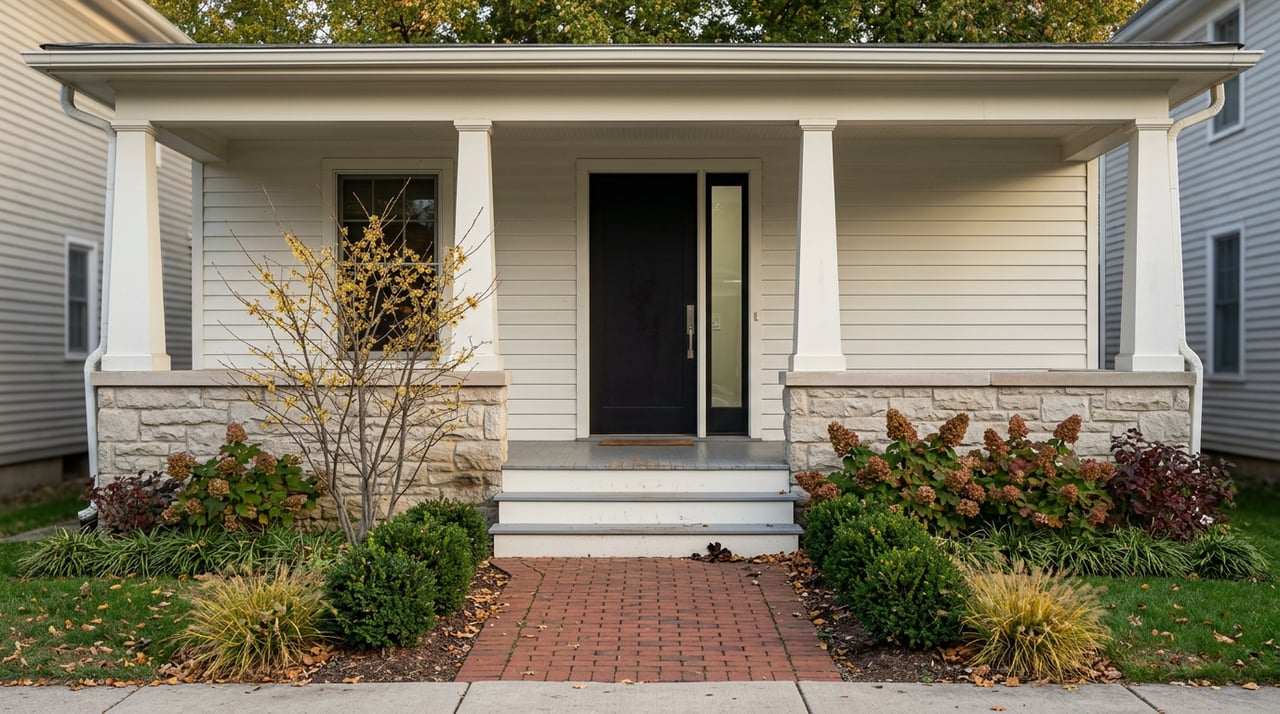
- What you will notice: Low-pitched roofs, wide eaves with exposed rafters, and tapered porch columns on brick or stone piers. Many are single story or 1.5 story with brick or wood siding.
- Inside the layout: Efficient floor plans, built-ins, hardwood floors, and a central living room, sometimes with a fireplace.
- Lot patterns: Modest to moderate yards and frequent alley access with detached garages.
- Inspection watchlist: Original windows, older electrical or plumbing, porch foundations, roof eaves, and aging HVAC.
- Buyer fit: Great if you want character, manageable square footage, and walkability. Plan for updates to kitchens, baths, and mechanicals over time.
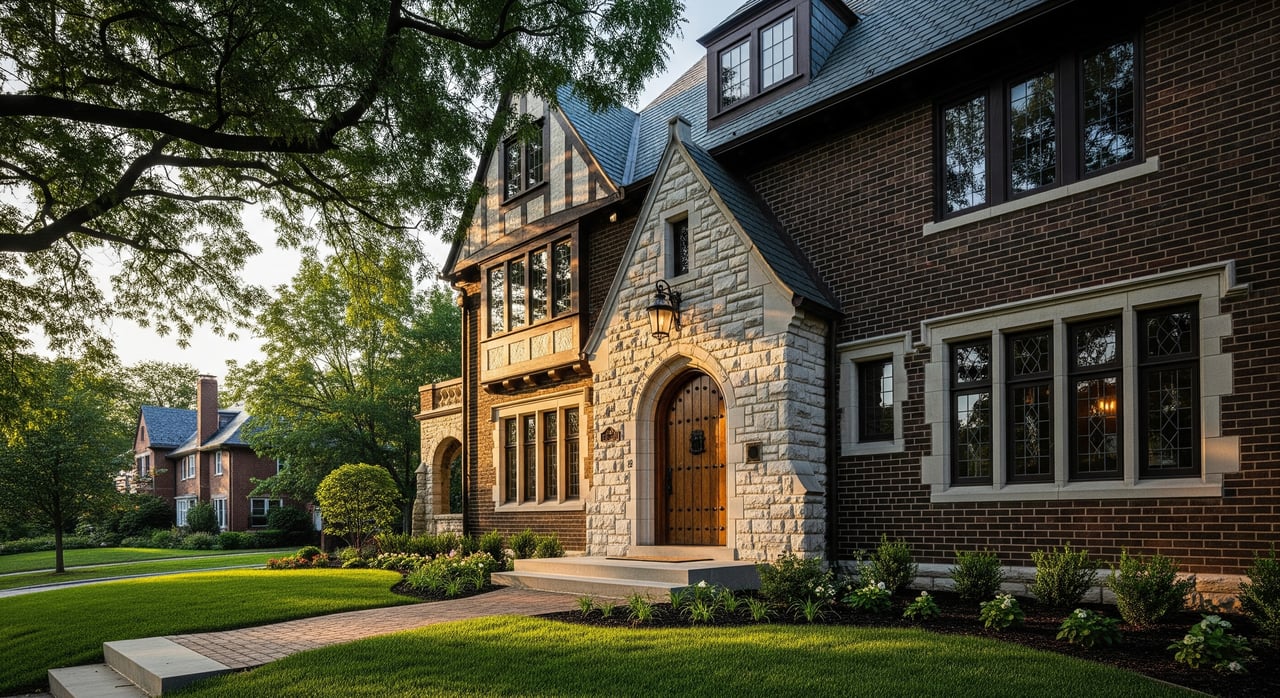
Tudor Revival
Popular from about 1915 to 1940, Tudors bring storybook curb appeal.
- What you will notice: Steep cross gables, decorative half-timbering with stucco, tall narrow windows, arched doors, and prominent chimneys.
- Inside the layout: Nooks, plaster walls, wood trim, and sloped ceilings or attic rooms due to rooflines.
- Lot patterns: Often larger lots with mature landscaping; garages may be detached or later additions.
- Inspection watchlist: Stucco condition, masonry and chimney work, original casement windows, and roof complexity that can raise repair costs.
- Buyer fit: Ideal if you prize distinct architectural character and period details. Budget for specialty repairs when needed.
Colonial Revival
You will see versions from early 1900s through mid-century.
- What you will notice: Symmetrical fronts, centered entrances with simple decorative crowns, multi-pane double-hung windows, and brick or clapboard exteriors.
- Inside the layout: Central halls in larger homes, more formal room arrangements, traditional staircases, and moldings.
- Lot patterns: Moderate lot sizes, with garages that may be detached or added later.
- Inspection watchlist: Dated mechanicals in older examples, tuckpointing for brick exteriors, and varied basement finishes.
- Buyer fit: A smart match if you want classic style and symmetry. Opening walls for modern flow can be a future project.
Newer infill and modern
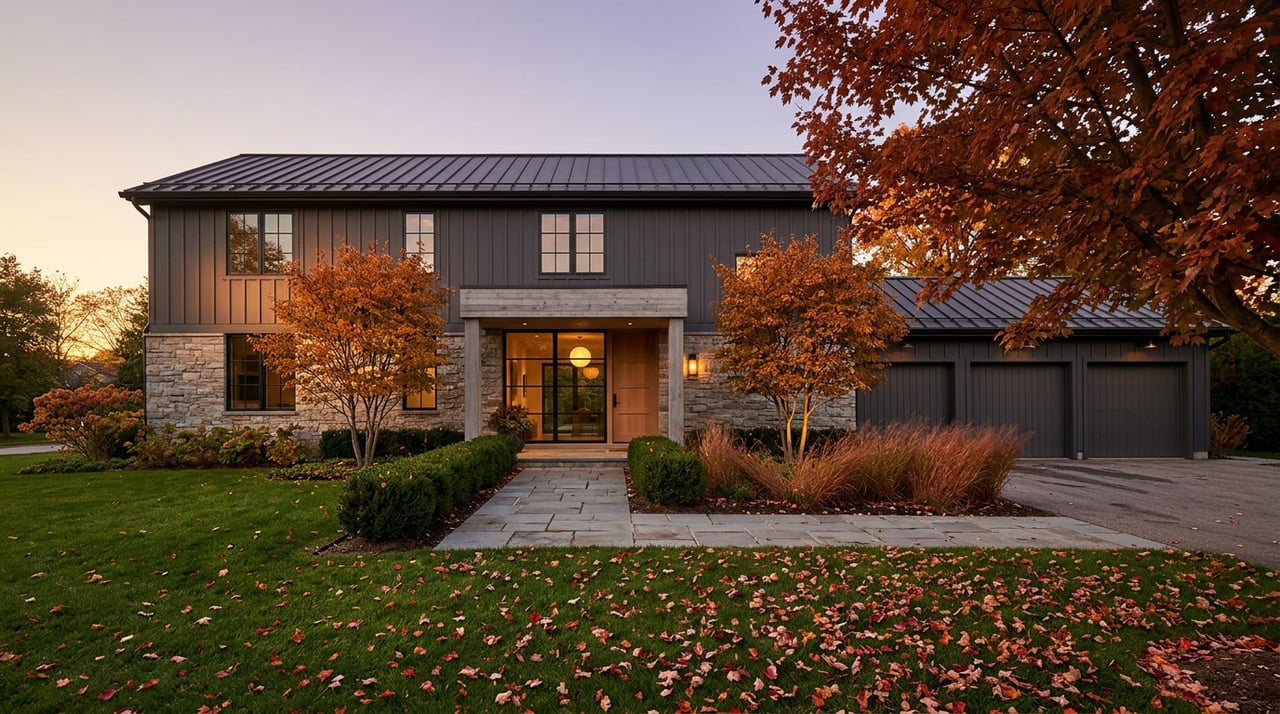
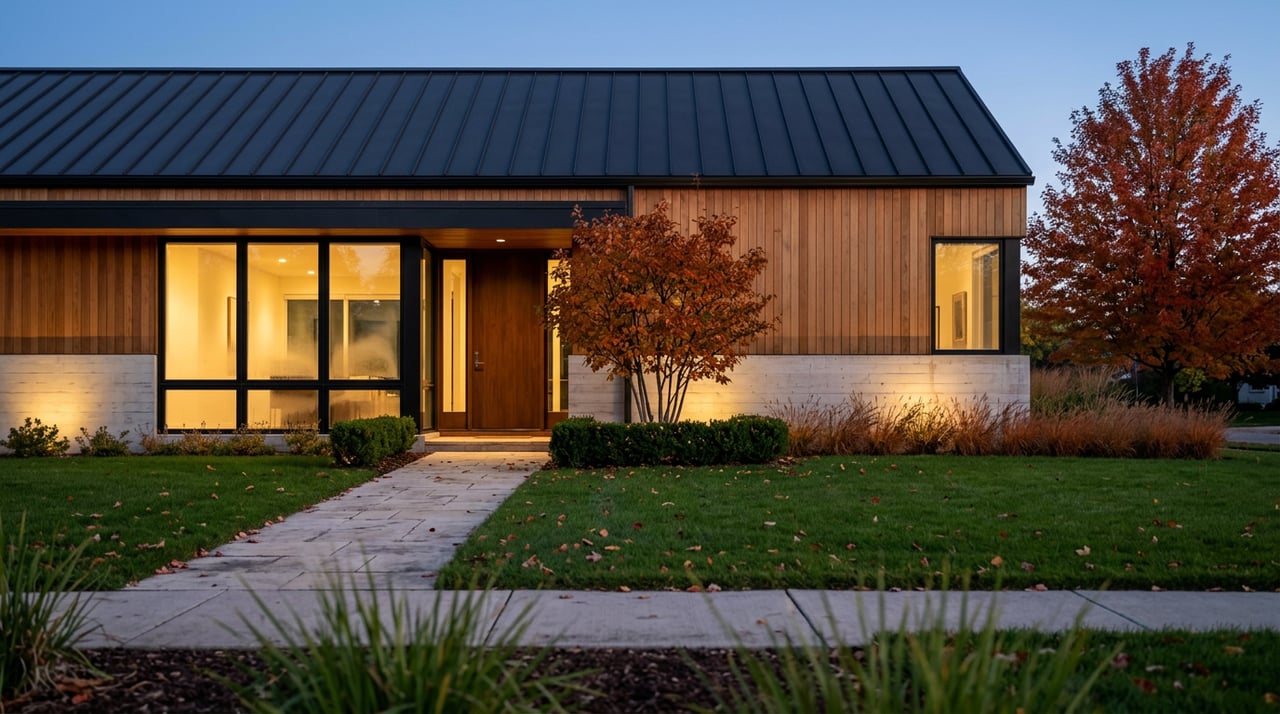
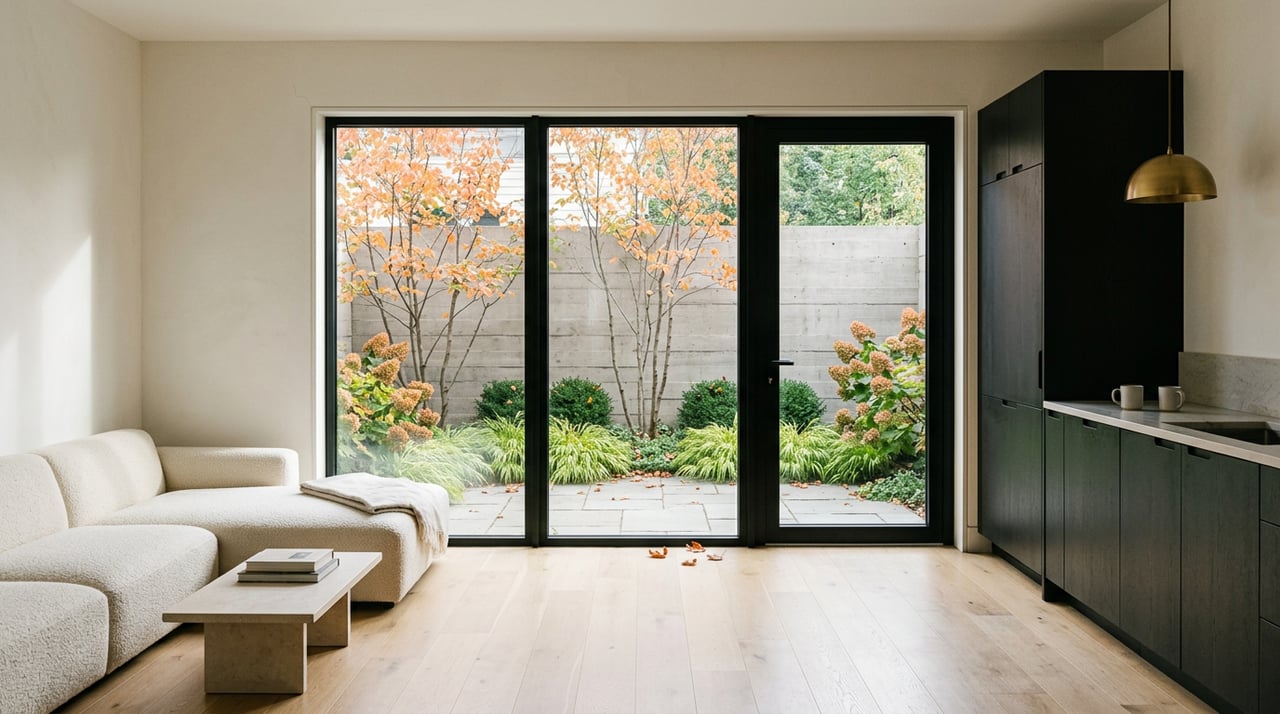
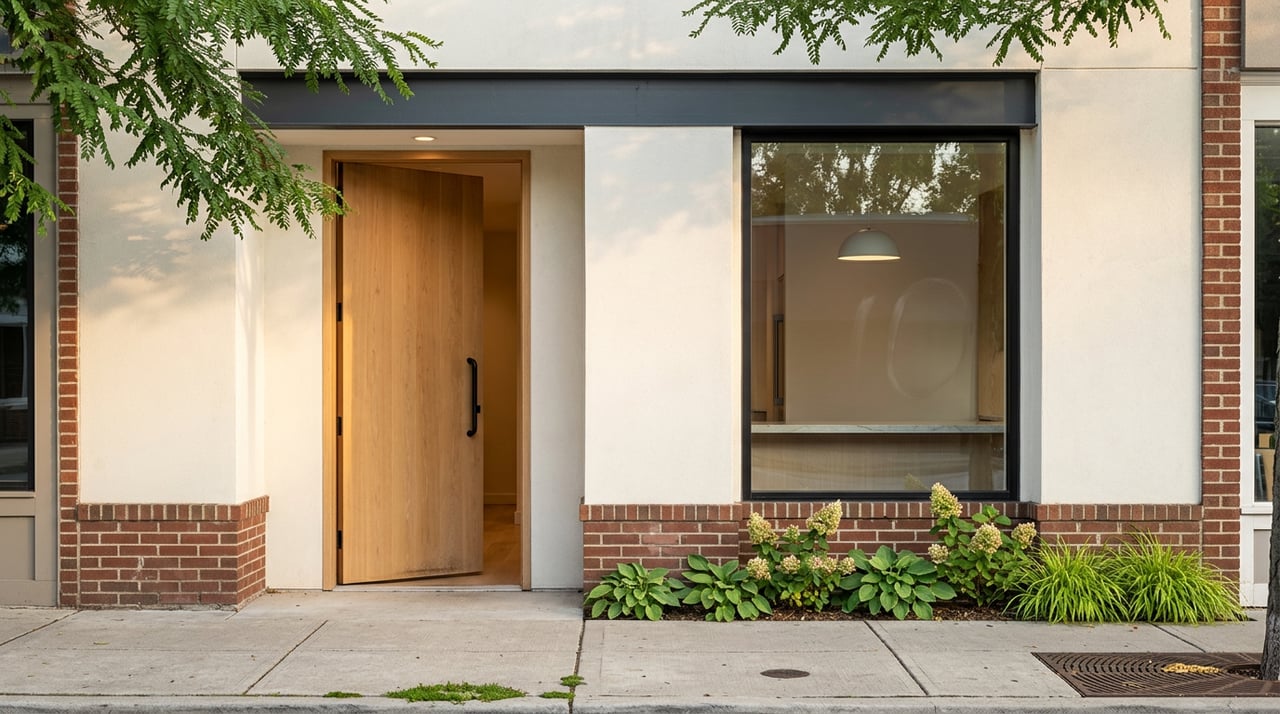
Infill homes from the 2000s to today offer a turnkey option.
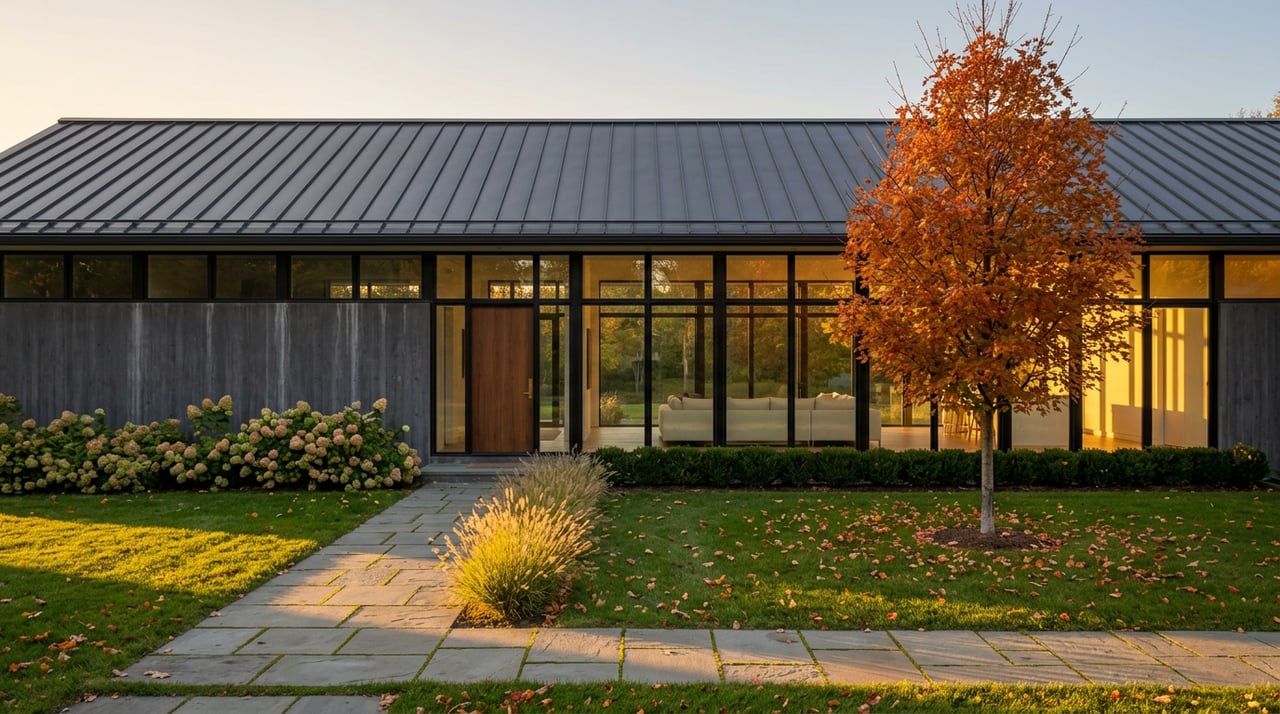
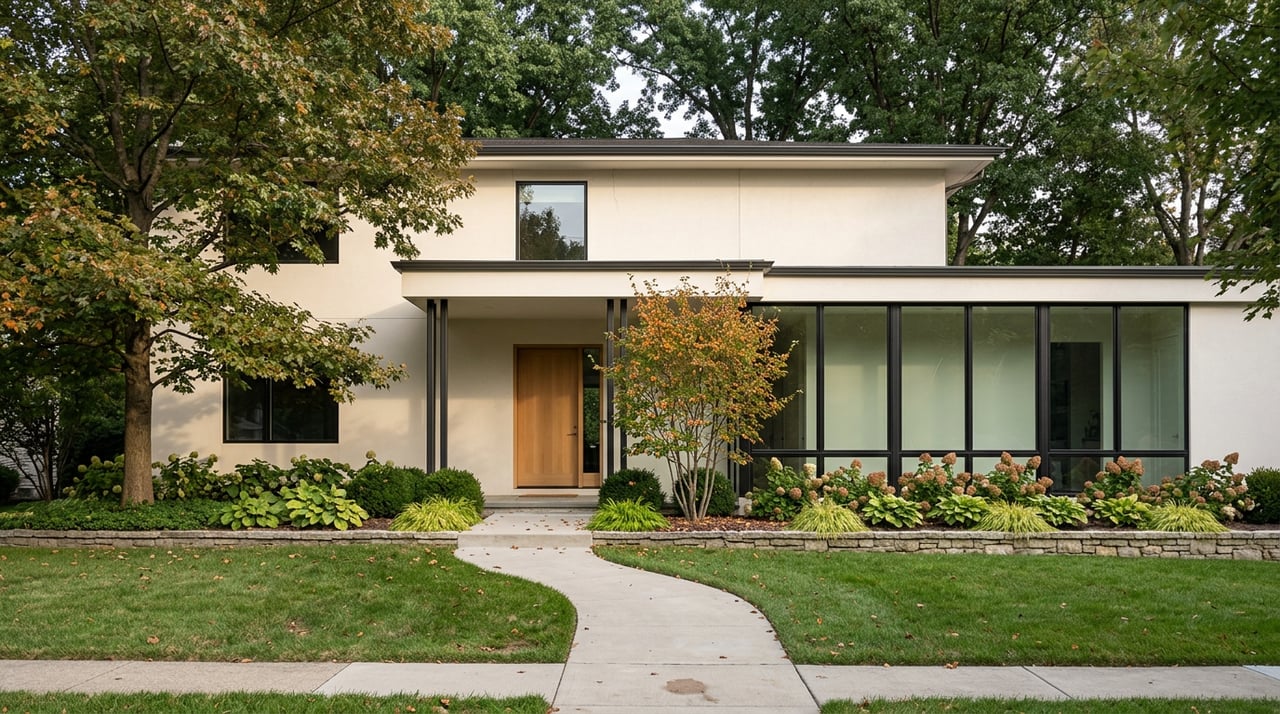
- What you will notice: Traditional-inspired facades or crisp modern lines, fiber-cement or newer brick, and larger footprints on smaller lots.
- Inside the layout: Open-concept living, tall ceilings, large kitchens with islands, suite-style bedrooms, and energy-efficient systems.
- Lot patterns: Often attached garages and smaller yards with newer landscaping.
- Inspection watchlist: Grading and drainage on tight lots, permit and inspection history, and warranty coverage.
- Buyer fit: Perfect if you want low maintenance, modern features, and energy savings. Outdoor space may be smaller.
Maintenance and inspections
A thorough inspection strategy protects your budget and timeline, especially in older homes.
- Structure and water: Look for settlement, basement moisture, gutter and grading performance, and sump systems.
- Roof and exterior: Confirm roof age and flashing. Complex Tudor rooflines, masonry, stucco, and mortar joints may need specialty work.
- Windows and doors: Original single-pane windows can be drafty. Evaluate condition, storms, and potential restoration or replacement.
- Systems: Verify age and capacity of HVAC and electrical panels. Watch for knob-and-tube or aluminum wiring in older homes.
- Plumbing: Galvanized supply lines and cast-iron drains are common in early homes and can be expensive to replace.
- Potential hazards: Older homes can have lead-based paint or asbestos-containing materials. Testing is wise before renovation.
- Extras to consider: Chimney and fireplace inspections, sewer scopes, and radon testing are common recommendations in the region.
Budget and renovations
Character homes can carry higher near-term costs if systems are due for replacement. Targeted updates like electrical, plumbing, and HVAC can run several thousand dollars, and major foundation or full re-pipe projects can reach tens of thousands. Stucco or masonry repair and historic window work also add up. If you want open-concept living and high efficiency from day one, a renovated or newer build may cost more per square foot but save renovation time and complexity.
Local rules and permits
Kirkwood has an active historic-preservation program. If a home sits in a designated historic area, exterior changes may require design review or a certificate of appropriateness. Additions, accessory structures, and significant reconfigurations also need permits and must meet zoning for setbacks and lot coverage. Because some areas have older stormwater systems, verify site drainage and whether a property lies in a FEMA flood zone. For any purchase, review property taxes, municipal service details, and parking or alley access rules.
Choose your best fit
- Love porch life and walkable streets: Start with bungalows and early 20th century homes near downtown.
- Want distinctive curb appeal and period detail: Explore Tudors and Colonial Revivals with a plan for specialty maintenance.
- Prefer turnkey comfort and efficiency: Focus on newer infill or fully renovated homes, and confirm drainage and permits.
- Balancing budget and style: Compare the cost to renovate for your ideal layout versus buying a home that already matches your needs.
Next steps
If you are weighing charm against convenience, a brief strategy session can save you time and money. We will help you pinpoint the right style and location in 63122, outline inspection priorities, and plan offers with confidence. Ready to get started? Connect with Susan Hurley Homes for a complimentary consultation and local guidance you can trust.
FAQs
What inspections are most important for older Kirkwood homes?
- Plan for a full home inspection, sewer scope, chimney and HVAC checks, radon testing, and lead-based paint evaluation if you will renovate.
How do historic-district rules affect exterior changes?
- In designated areas, exterior updates like windows, siding, porches, and additions may need review and approval, so budget extra time for permits.
Are newer infill homes lower maintenance in 63122?
- Generally yes, thanks to modern systems and materials, but verify grading, drainage, permits, and warranty coverage to avoid surprises.
Should I worry about basement water in Kirkwood?
- Water management is a common focus in older St. Louis-area homes. Inspect grading, gutters, sump systems, and any signs of intrusion.
What lot patterns will I find near downtown Kirkwood?
- Expect sidewalks, mature trees, smaller to moderate lot sizes, and frequent alley access with detached garages, which support a walkable feel.