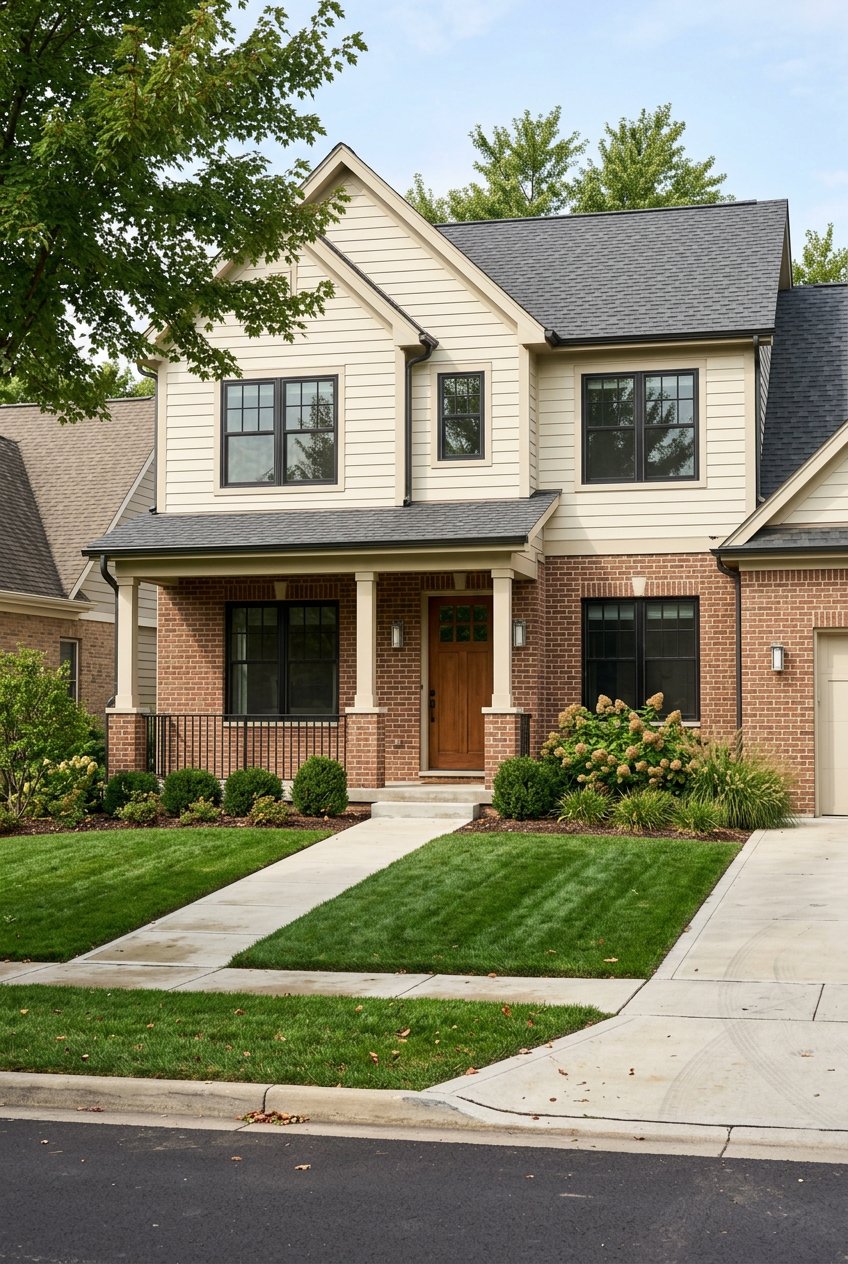
Key Factors When Buying in St. Charles County Subdivisions
March 5, 2026
March 5, 2026
Shopping for a home in St. Charles County and seeing subdivision names like “Estates,” “Reserve,” or “Lake” without knowing what they really mean? You are not alone. The right neighborhood fit depends on more than price and photos. It comes down to HOA rules, amenities, lot sizes, and even what is on the recorded plat. In this guide, you will learn how subdivisions differ, what to check in the official records, and how to spot red flags before you make an offer. Let’s dive in.
In St. Charles County, subdivisions are planned and approved under county rules. The county’s long-range growth guidance starts with its Master Plan, called Envision 2030, which the County Council adopted on January 28, 2019. You can review the plan to understand growth patterns and where new communities are likely to appear. See the county’s Envision 2030 Master Plan for a countywide view of development priorities.
When a subdivision is created, the developer files plats and improvement plans under the county’s subdivision regulations. Final plats spell out lot lines, easements, common areas, and notes about roads and utilities. If you only read one technical document, make it the recorded plat and its notes. The county’s Final Plat page explains what is shown on these maps and how they are processed.
You can also look up recorded covenants and other land records online. The St. Charles County Recorder of Deeds maintains the official record of plats, CC&Rs, and amendments. For any neighborhood you are considering, obtain the recorded Declaration and all amendments so you know the rules that run with the land.
Finally, use the county’s interactive parcel map to confirm lot area, parcel boundaries, floodplain layers, and planning overlays for a specific address. This is the fastest way to verify whether a road is public or private, check easement notes, and size up the lot you are buying.
Neighborhoods in and near downtown St. Charles include 19th- and early 20th-century homes on narrow, often tree-lined lots. Some blocks sit within a National Register historic district, and many of these areas do not have a modern HOA. If you want historic character and a traditional street grid, explore the St. Charles Historic District and surrounding pockets.
Farther out, mid-century subdivisions from the 1950s to 1970s tend to feature ranch and split-level homes on medium-size lots with mature trees. Many 1990s to 2010s subdivisions lean toward two-story traditional plans, smaller lots than older suburbs, and developer-installed amenities. Newer master-planned communities often cluster pools, trails, and clubhouses around modern floor plans. Always confirm the year built for specific blocks in the county parcel viewer.
Lot sizes run the gamut, from small infill sites around 0.1 to 0.25 acre to estate-style parcels of 0.5 to 3 acres or more in outlying areas. Check the final plat and the parcel map for the authoritative lot area and dimensions. Setbacks and easements on the plat will tell you where you can place fences, sheds, or additions.
You will find everything from no-HOA streets to simple HOAs to layered, master-style associations. In a no-HOA area, you own your lot and handle exterior maintenance. In a typical HOA, the association might maintain a pool, private streets, or landscaping. In master communities, a recreation corporation or master association often owns lakes, marinas, or parks while subassociations handle the residential blocks. The recorded Declaration and plat allocate these responsibilities, so read them closely.
Amenity packages vary widely. Some HOAs cover only common-area mowing and covenant enforcement. Others include pools, fitness rooms, trails, clubhouses, or security gates. Dues can range from modest monthly amounts to several hundred dollars or more where luxury amenities or private clubs exist. Budget monthly dues as part of your ongoing housing costs and confirm exactly what is included.
Neighborhood marketing terms often hint at location and features. Names with “Meadows,” “Lake,” “Pointe,” “Estates,” “Reserve,” or “Ridge” can signal open fields, water access, larger lots, elevated sites, or upgraded amenities. Convenience matters too. Areas around Mid Rivers Mall in St. Peters and other major retail nodes offer quick access to shopping and services, which can shape your day-to-day routine.
Plats often note floodplain boundaries, stormwater detention, sanitary easements, and utility corridors. These impact buildable area, grading, insurance, and sometimes fencing or landscaping plans. Use the parcel map’s flood layers and read the plat’s utility and drainage notes. If a street is marked private, ask how maintenance is funded and whether the road is part of a common area.
These documents are standard in association-governed communities. If you are new to HOAs, the Community Associations Institute offers useful background on how associations work and what healthy governance looks like.
The city of St. Charles includes a National Register historic district along and near Main Street. Homes here often predate modern HOA structures and sit on smaller, irregular lots with unique character. If you value historic fabric and walkable retail, this pattern is common near downtown.
Around Mid Rivers Mall in St. Peters and nearby corridors, you will find many 1990s to 2010s subdivisions. These often include neighborhood pools, sidewalks, and modest HOAs. Daily errands are close by, which can be a plus if you prefer convenience.
Around Lake Saint Louis, some communities are organized around private lakes and recreation corporations. It is common to see both HOA dues and separate club or recreation fees that support marinas, docks, and lake maintenance. Expect transfer rules and detailed amenity regulations, so review the documents early.
Newer subdivisions and larger-lot communities continue to appear along the Wentzville and O’Fallon corridors. Early in a development’s life, the developer may control the HOA, and standards or dues can change at owner turnover. The county’s master plan documents growth pressures and helps you see where expansion is headed.
When you are ready to compare subdivisions, we will help you read the documents, size up the amenities, and calibrate value by neighborhood. If you want a clear, step-by-step plan tailored to your goals, connect with our team at Susan Hurley Homes for a complimentary consultation.
Stay up to date on the latest real estate trends.


We’re more than a team of real estate professionals — we’re your partners in every step of the journey. Whether buying, selling, or relocating in St. Louis, our expertise, market insight, and dedication ensure a seamless experience and outstanding results.