Weekend Living in St. Louis City: Parks, Culture, and Dining
April 23, 2026
April 23, 2026
If your ideal weekend includes a morning in the park, an afternoon at a museum, and dinner in a neighborhood business district, St. Louis City gives you plenty of ways to make that routine feel natural. The city is not built around just one weekend hub. Instead, it works as a collection of neighborhood-based experiences, each with its own rhythm, gathering spots, and housing options. If you are thinking about city living, understanding that pattern can help you picture what day-to-day life might actually feel like. Let’s dive in.
St. Louis City is officially organized into 79 neighborhoods, and many have active neighborhood organizations. That matters because weekend living here often revolves around your nearby park, market, restaurant corridor, or arts district rather than a single central destination.
For you as a buyer, that creates options. You can choose a neighborhood where your weekends lean more toward green space and farmers markets, one where dining and nightlife shape the routine, or one that blends historic housing with easy access to cultural institutions.
When people talk about classic St. Louis weekends, Forest Park is usually part of the conversation. It is free, spans 1,300 acres with about 30 miles of paths and trails, and supports everything from a quick walk to a full day out.
What makes Forest Park especially useful is how easily it combines outdoor time with cultural stops. The park is home to the Saint Louis Art Museum, the Saint Louis Science Center, the Missouri History Museum, The Muny, and the Saint Louis Zoo, so you can build a flexible weekend around one area instead of driving across the city.
For buyers who want low-cost, easy weekend options, Forest Park stands out. The Saint Louis Art Museum offers free admission every day, and the Saint Louis Zoo is also free to enter.
That setup makes the park work for many kinds of outings. You can start with a walk, add a museum stop, and keep the day casual without a complicated plan or high price tag.
In warmer months, The Muny becomes a major part of city life. Its site describes it as the country’s oldest and largest outdoor musical theatre, with seven musicals produced during its summer season.
If you picture weekends that include live performance in a landmark setting, this is one of the clearest examples of how St. Louis combines recreation and culture. It is also one reason homes near Forest Park and nearby neighborhoods can appeal to buyers who want that lifestyle close at hand.
In south St. Louis City, Tower Grove Park fills a similar role on a more neighborhood-scaled level. It is a 289-acre public park and arboretum bordered by Shaw, Tower Grove South, Tower Grove East, and Southwest Garden.
Because it is woven into surrounding residential areas, the park often feels less like a special-occasion destination and more like part of everyday life. That can be a major draw if you want a neighborhood where weekend routines feel easy and local.
Tower Grove Park regularly anchors weekends through the Tower Grove Farmers’ Market. For many city residents, that kind of market-centered routine is a big part of the appeal of living nearby.
You can imagine a Saturday that starts with a walk through the park, a stop at the market, and then lunch or dinner nearby. That kind of simple pattern often says more about real lifestyle fit than any list of features on a property sheet.
If your ideal weekend includes shopping local and being out in a lively public setting, Soulard Farmers Market is another standout. According to the city, it is open year-round Wednesday through Saturday and features more than 100 vendors offering produce, meat, fish, baked goods, flowers, crafts, and prepared foods.
The city also describes Soulard Farmers Market as one of the country’s oldest and most popular public markets and the longest continuously operating market west of the Mississippi. That history gives the area a distinct sense of continuity, while the market itself keeps weekends active and practical.
St. Louis City weekends are not just about parks and brunch. The city also gives you easy ways to add art, theater, galleries, and live events to the mix.
One of the strongest examples is the Grand Center Arts District, where venues range from Broadway to black-box theater, plus galleries and street art. The district’s First Fridays program keeps museums and galleries free and open until 9 p.m. on the first Friday of each month, which creates a reliable, recurring evening plan.
For many buyers, that kind of built-in event calendar adds real value to city living. It means your weekends can feel full without requiring much planning, and it gives you another way to enjoy the city beyond dining and outdoor space.
St. Louis City has several distinct dining areas, and each shapes weekend life a little differently. If you are comparing neighborhoods, these corridors can help you see how lifestyle and housing often connect.
The Central West End is one of the city’s clearest examples of walkable dining and mixed-use energy. According to the neighborhood association, Euclid Avenue connects more than 75 shops, galleries, restaurants, bars, salons, hotels, and other businesses.
The area is also described as pedestrian- and bike-friendly, with historic architecture and a mix of homes, apartment buildings, and newer condos and apartments. If you want a neighborhood where dinner, coffee, errands, and a stroll all fit into the same outing, this is an important part of the city to consider.
South Grand offers a different kind of weekend appeal. The district is known for six historic blocks filled with restaurants, bars, local shops, pop-up markets, and recurring events, according to South Grand’s district information.
Its location near Tower Grove Park also makes it easy to pair park time with lunch or dinner. For buyers looking at nearby neighborhoods such as Tower Grove East or areas close to Shaw, that connection can be a meaningful lifestyle advantage.
If your weekends tend to start later and stay social into the evening, The Grove may be a better fit. Its official site describes a mix of bars, restaurants, local businesses, and creative culture, while the city notes the neighborhood is known for nightlife, street art, live performances, and GroveFest.
The area also benefits from walkability within the neighborhood and access by bike and transit. That combination can appeal to buyers who want a more active, entertainment-driven urban routine.
Cherokee Street adds another version of city living. The district describes itself as a center of commerce, culture, and creativity, with galleries, antiques, music, food, and events, according to Cherokee Street’s district site.
That blend matters because it shows how many St. Louis weekends are shaped by street-level activity rather than a single destination. For some buyers, that layered feel is exactly what makes city living attractive.
For a more classic dining destination, The Hill remains one of the city’s best-known choices. The city identifies it as a long-standing neighborhood with immigrant roots, and the neighborhood site highlights Italian eateries, markets, shops, and recurring events.
If your ideal weekend centers on a meal, a specialty market, and a neighborhood with long-standing identity, The Hill offers a strong example of that experience. It also helps show that city living in St. Louis can feel traditional in one area and more contemporary in another.
One of the most useful things about St. Louis City is that its housing patterns often match the lifestyle of nearby weekend destinations. That gives you more than one path to urban living.
The Central West End includes historic homes, apartment buildings, and newer condos and apartments, according to the city’s neighborhood gallery. That range can work well if you want walkable dining, cultural access, and several property types to choose from.
Tower Grove East is primarily residential, with housing that ranges from shotgun houses to larger Arts & Crafts homes, plus apartments. Fox Park adds a notable mix of two- to six-family buildings and single-family houses, along with proximity to Tower Grove Park, the Missouri Botanical Garden, downtown, and South Grand.
If you like the idea of historic housing with easy access to parks and restaurant corridors, these neighborhoods are useful to explore.
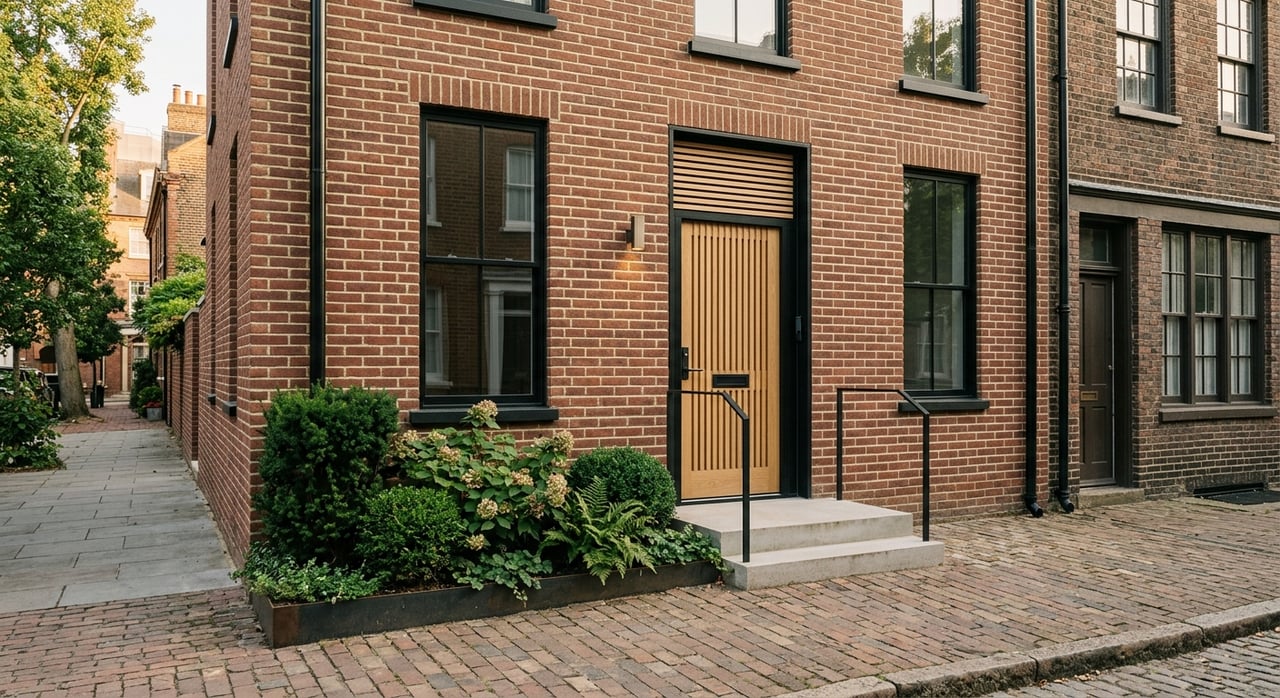
Soulard shows another side of city housing. The neighborhood includes adaptive-reuse examples such as loft and apartment conversions, while the historic-district description notes its common pattern of two-story brick buildings on narrow lots.
That creates a different feel from newer apartment areas or more traditionally residential blocks. If you are drawn to character, texture, and a strong market-centered weekend routine, Soulard may stand out.
Lafayette Square is one of the clearest examples of restored Victorian urban housing near downtown. The city describes its long history of residential development, later conversions, and eventual restoration that brought older homes back into use.
For buyers who want historic architecture close to the city core, it remains an important point of comparison.
Midtown helps round out the picture. The city’s neighborhood gallery shows both apartment complexes and homes, and notes that the residential base is largely made up of the SLU student population.
If proximity to entertainment or a more apartment-focused setup matters to you, Midtown shows that city living can take different forms depending on your priorities.
If you are trying to narrow your search, it helps to ask a simple question: what do you want your average Saturday to look like?
You may want:
When you start with lifestyle, your housing search often becomes clearer. The right neighborhood is not just about the home itself. It is about how naturally your weekends, routines, and favorite places fit into everyday life.
If you are considering a move in St. Louis City or weighing city neighborhoods against nearby suburban options, Susan Hurley Homes can help you compare lifestyle, housing stock, and location so you can make a confident decision.
Stay up to date on the latest real estate trends.
We’re more than a team of real estate professionals — we’re your partners in every step of the journey. Whether buying, selling, or relocating in St. Louis, our expertise, market insight, and dedication ensure a seamless experience and outstanding results.